
What Challenges Arise During Water Mold Fire Restoration When Combined With Localized Water Damage Restoration in McLean VA?
Summary
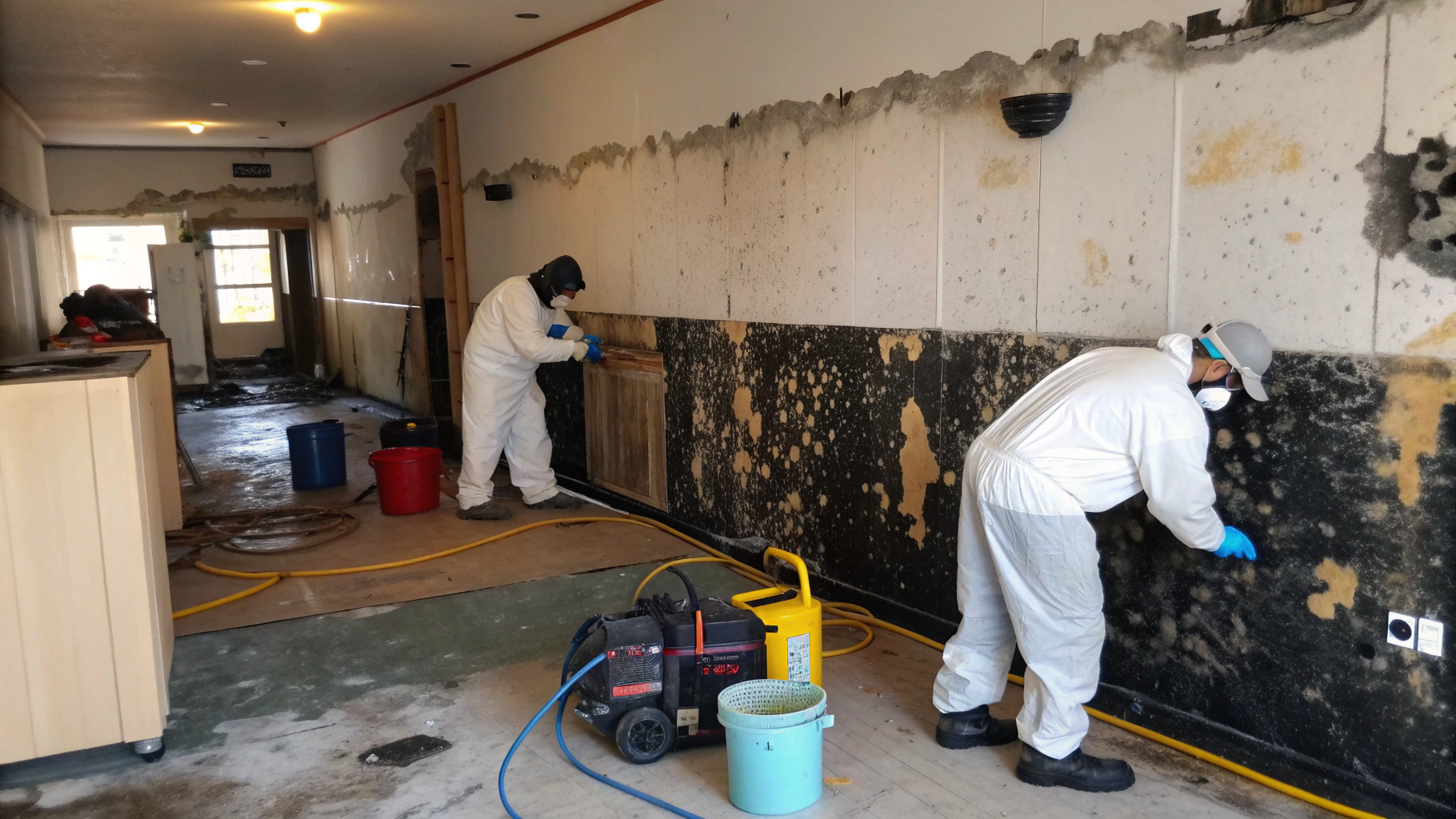
When fire damage is combined with water intrusion and mold growth, restoration becomes significantly more complex, especially in McLean, VA properties. Water used during firefighting can penetrate hidden areas, creating ideal conditions for mold development within days. Challenges include detecting concealed moisture, preventing cross-contamination between soot and mold spores, and determining which materials can be safely salvaged. Structural integrity may be compromised as fire-weakened materials absorb moisture, increasing long-term risks. Health and safety compliance, insurance documentation, and precise coordination between restoration teams are also critical. Addressing these interconnected issues through professional water mold fire restoration ensures effective remediation, protects indoor air quality, and helps maintain property value while supporting reliable water damage restoration McLean VA solutions.
-
Introduction
Restoring a property after a fire is already a complex process, but when water damage and mold growth are added to the equation, the situation becomes significantly more challenging. In McLean, VA, where older homes, seasonal humidity, and emergency firefighting methods often intersect, property owners frequently face multi-layered restoration issues that demand specialized expertise.
Understanding these challenges helps homeowners and business owners make informed decisions and avoid long-term structural or health-related problems. When fire suppression efforts introduce excess moisture, and that moisture leads to mold growth, restoration professionals must carefully coordinate multiple remediation strategies under strict safety standards.
The Complexity of Multi-Damage Restoration
Fire damage alone can compromise structural integrity, air quality, and electrical systems. When water used to extinguish flames saturates walls, floors, and insulation, it creates an ideal environment for mold growth within 24–48 hours. This is where water mold fire restoration becomes especially difficult, as each type of damage influences how the others must be addressed.
Restoration teams cannot simply clean soot and dry surfaces independently. Moisture trapped behind walls may spread mold spores, while lingering smoke particles can bond with damp materials, making odors harder to eliminate. In McLean VA properties, localized water damage often occurs in specific rooms, basements, or HVAC systems, adding another layer of complexity to the restoration plan.
Hidden Moisture and Mold Detection Challenges
One of the most significant obstacles during combined restoration projects is identifying hidden moisture. Water can seep into wall cavities, crawl spaces, and subflooring, areas that are not visible to the naked eye. If overlooked, these damp zones can foster mold colonies long after visible damage appears resolved.
Mold detection requires advanced tools such as moisture meters, infrared cameras, and air quality testing. Mold exposure can pose health risks, particularly for individuals with respiratory conditions, making accurate detection and thorough remediation essential.
Cross-Contamination Risks
When fire residue, water damage, and mold coexist, cross-contamination becomes a serious concern. Soot particles can spread through wet surfaces, while mold spores may circulate through air ducts during cleanup. Improper sequencing of restoration steps can worsen contamination rather than resolve it.
For example, aggressive drying without containment may disperse mold spores throughout the property. Similarly, cleaning soot before moisture removal can embed smoke residues deeper into porous materials. Coordinated planning and containment strategies are critical to prevent secondary damage.
Structural Integrity and Material Salvage
Another challenge lies in determining which materials can be salvaged and which must be replaced. Fire-weakened wood, when exposed to moisture, may lose its structural strength faster than expected. Drywall, insulation, and carpeting are particularly vulnerable and often require removal to prevent mold regrowth.
In McLean VA homes, where construction styles vary widely, restoration professionals must tailor their approach to the specific building materials used. Failing to remove compromised materials can lead to recurring mold issues and costly future repairs.
Health and Safety Compliance
Combined restoration projects must adhere to strict safety regulations. Mold remediation requires containment zones, personal protective equipment, and proper disposal methods. Fire-damaged properties may also contain hazardous substances such as asbestos or lead-based materials, especially in older McLean neighborhoods.
Ensuring compliance with local and federal guidelines protects both occupants and restoration workers. It also helps property owners avoid liability issues during insurance claims or property resale.
Insurance and Documentation Challenges
Navigating insurance claims is another hurdle when multiple types of damage are involved. Insurance providers often require detailed documentation that distinguishes between fire damage, water damage, and mold-related issues. Incomplete or unclear reports can delay claims or reduce coverage eligibility.
Professional restoration teams must carefully document moisture levels, contamination zones, and remediation steps. This documentation is especially important when coordinating water damage restoration McLean VA services alongside fire and mold remediation efforts.
Time Sensitivity and Project Coordination
Timing is critical in combined restoration scenarios. Mold growth accelerates quickly, while soot residues become harder to remove over time. Delays in addressing any one aspect of the damage can compromise the entire restoration process.
Coordinating specialized teams fire cleanup experts, mold remediation specialists, and water extraction professionals requires precise scheduling and communication. In localized water damage situations, even small delays can lead to widespread mold infestation.
Long-Term Prevention and Property Value
Beyond immediate cleanup, restoration professionals must also focus on prevention. Addressing ventilation issues, sealing moisture entry points, and ensuring proper drying helps reduce the risk of future mold growth. This is particularly important in McLean’s climate, where humidity can exacerbate moisture-related problems.
A thorough, well-documented restoration not only protects occupant health but also preserves property value and ensures compliance with local building standards.
Conclusion
Successfully restoring a property after fire damage becomes far more challenging when water intrusion and mold growth are involved. From hidden moisture detection to contamination control and insurance coordination, each step requires specialized knowledge and precise execution. Property owners facing water damage restoration McLean VA scenarios must work with experienced professionals who understand how fire, water, and mold interact. By addressing these challenges comprehensively, homeowners can ensure a safer, healthier, and more resilient property for the future.
FAQs
Q1. How soon can mold grow after fire-related water damage?
A. Mold can begin growing within 24–48 hours if moisture is not properly addressed.
Q2. Can fire-damaged materials be saved after water exposure?
A. Some materials can be restored, but porous or structurally weakened items often need replacement.
Q3. Why is professional restoration necessary for combined damage?
A. Professional teams use specialized equipment and protocols to prevent cross-contamination and ensure complete remediation.

 English
 Arabic
 Spanish
 Portuguese
 Deutsch
 Turkish
 Dutch
Dutch
 Italiano
 Russian
 Romaian
 Portuguese (Brazil)
 Greek
Greek