
Five Common Car Sensors You Can Harvest from a Junkyard to Fix a Check Engine Light

A Check Engine light on the dashboard often points to a faulty sensor, and many drivers face this issue during routine drives. Junkyards hold a treasure trove of used sensors from wrecked cars that match common models. Harvesting these parts yourself saves money and gets your vehicle back on the road quickly.
Why Junkyard Sensors Work for Everyday Fixes
Sensors monitor engine performance and trigger the Check Engine light when problems arise. In daily driving, issues like poor fuel economy or rough idling stem from worn sensors. Junkyards offer sensors pulled from vehicles with low mileage, often in better condition than expected. Mechanics charge high fees for diagnostics and new parts, but a trip to the yard lets you inspect and take what fits your car. Facts show that oxygen sensors fail after 100,000 kilometres in most petrol engines, while throttle position sensors wear from throttle body dirt buildup. Temperature sensors drop accuracy over time due to heat cycles. Pulling these from a junkyard matches your car's make and year perfectly if you check the model first.
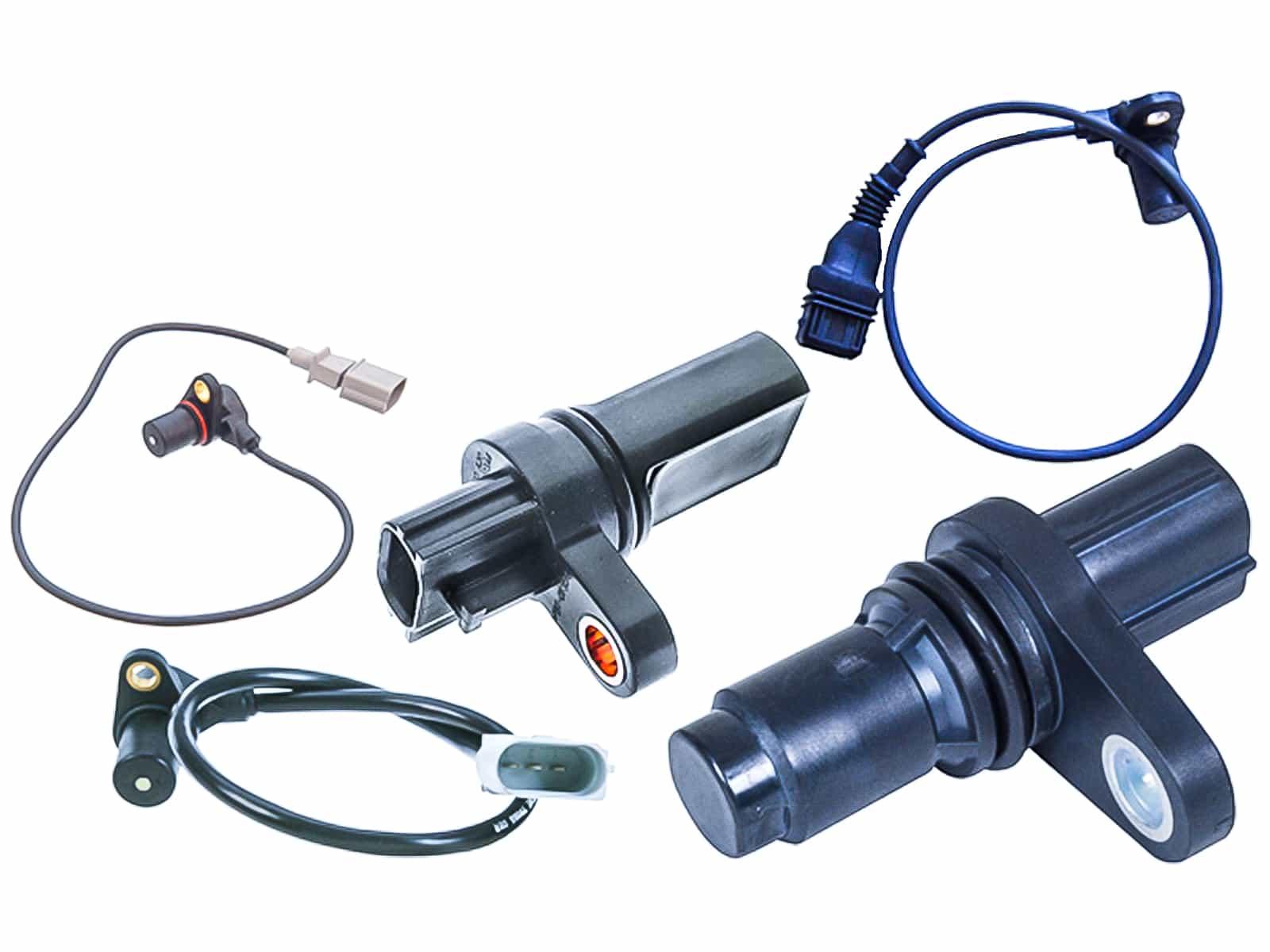
Oxygen Sensor: The Fuel Mixture Monitor
The oxygen sensor sits in the exhaust system and measures oxygen levels in the fumes. It helps the engine computer adjust the air-fuel mix for clean burning and good power. When it fails, the Check Engine light blinks with codes like P0130 or P0135, and you notice black smoke or weak acceleration. In Australia, cars over five years old often need this sensor replaced due to dusty roads and stop-start traffic. Harvest one from a similar engine in the junkyard—look for clean wires and no corrosion on the housing. Test it with a multimeter for voltage swings between 0.1 and 0.9 volts when heated. Installation takes 30 minutes: unplug the old one, unscrew with an oxygen sensor socket, and thread in the new. Clear the code with an OBD scanner, and the light stays off.
Throttle Position Sensor: Controls Acceleration Response
Located on the throttle body, the throttle position sensor tracks the butterfly valve's angle as you press the pedal. It sends data to the engine control unit for smooth revs and shifts. A bad sensor causes hesitation during overtakes or high idle speeds, lighting up codes such as P0120 or P0121. Heat and carbon deposits shorten its life to around 80,000 kilometres in city-driven cars. At the junkyard, find a donor throttle body from the same model year and remove the sensor with a Torx screwdriver. Wipe off grime before fitting, then adjust if your car has slotted mounting holes. Drive a test loop to confirm crisp throttle feel—no more stumbling at lights.
Coolant Temperature Sensor: Manages Engine Warm-Up
This sensor threads into the cylinder head or radiator hose and reports coolant heat to the dashboard gauge and fuel injectors. It ensures proper fuel delivery during cold starts and prevents overheating. Failure leads to codes like P0115 or P0118, rich fuel smells, or fans running nonstop. Australian summers push these sensors to fail early from boiling coolant cycles. Pick a matching one from a junkyard engine bay—check for intact threads and no leaks on the donor car. Use thread sealant on reinstall, torque to 20 Nm, and top up coolant. The engine starts smoother, and fuel use drops by five per cent on highways.
Mass Air Flow Sensor: Measures Incoming Air
Mounted in the air intake tube, the mass air flow sensor calculates air volume entering the engine for precise fuel injection. Dust clogs its hot wire, causing lean mixtures, codes P0100 to P0104, and power loss uphill. In dusty outback drives, these last only 60,000 kilometres. Junkyard hunts focus on clean air boxes from low-km wrecks—gently twist off the sensor clip and hose clamps. Clean the mating surfaces, plug in, and reset the computer. Expect better torque and no more surging at cruise speeds.
Crankshaft Position Sensor: Times Ignition Sparks
The crankshaft position sensor reads a toothed wheel on the crank pulley to time spark plugs and injectors. It sits near the flywheel or timing cover, and glitches trigger no-start conditions or codes P0335 and P0336. Vibration from rough roads wears the pickup coil over 120,000 kilometres. Source one from a junkyard block with recent crash damage—verify gap to the reluctor wheel measures 0.5 to 1.5 mm. Bolt it down, route wires away from heat, and crank the engine to verify spark. Your car fires up reliably every morning.
Steps to Harvest Sensors Safely from the Yard
Wear gloves and eye protection before entering the yard. Bring your car's VIN, a parts diagram, and tools like sockets, pliers, and penetrating oil. Match the donor vehicle exactly for plug-and-play fit. Label parts with tape noting location and date pulled. Inspect for oil slime or burnt smells that signal deeper issues. Back home, clean contacts with electrical cleaner and bench-test where possible. These steps turn a nagging light into a quick win.
Tools You Need for the Job
Pack a 22mm oxygen socket, Torx set, digital multimeter, and zip ties. A cordless impact wrench speeds bolt removal on rusted sensors. Flashlight and mirror help spot hidden clips. These items cost under $200 and pay off over multiple pulls.
Clearing the Check Engine Light After Install
Use a basic OBD-II scanner plugged under the dash to read and erase codes. Drive 50 kilometres in varied conditions to let the computer relearn. If the light returns, double-check wiring or sensor seating. Persistent issues point to wiring harness damage, not the sensor.
When you pull sensors from junkyards, services like National Car Removal handle the wrecked cars that stock these yards, ensuring fresh inventory of low-mileage parts from roadworthy vehicles they process daily. Their fleet clears roadsides promptly, feeding yards with reliable donors that match Aussie models perfectly.
Tips to Make Sensors Last Longer
Change air filters every 15,000 kilometres to shield mass air flow units. Flush coolant yearly to protect temperature sensors. Park in shade to ease throttle sensor heat stress. These habits stretch part life and keep the Check Engine light dark.
Common Mistakes to Avoid
Never pull sensors from flooded wrecks—water corrodes internals fast. Skip units with frayed wires or physical cracks. Torque new ones properly to prevent leaks. Ignore colour codes on plugs at your peril; mismatches fry the computer.
This approach empowers drivers to tackle Check Engine woes head-on with junkyard smarts. Sensors fail predictably, and yards supply fixes that restore driveability without shop bills. Grab your tools and head out—your engine thanks you.

 English
 Arabic
 Spanish
 Portuguese
 Deutsch
 Turkish
 Dutch
Dutch
 Italiano
 Russian
 Romaian
 Portuguese (Brazil)
 Greek
Greek