Strep throat is a common childhood illness that can spread quickly in schools and daycare settings. It is caused by bacteria and often appears suddenly, leaving children uncomfortable and parents worried. Understanding Strep Throat Symptoms in Kids helps caregivers act early, reduce complications, and support faster recovery. This guide explains what to watch for, how the illness feels for children, and what steps families can take to manage it safely.
What Is Strep Throat and Why Kids Get It
Strep throat is a bacterial infection that affects the throat and tonsils. It is most common in children between ages 5 and 15, though younger kids can also be affected. The infection spreads through droplets from coughing, sneezing, or sharing utensils. Crowded classrooms and close contact make children more likely to catch it.
Early Strep Throat Symptoms in Kids often appear within two to five days after exposure. Because symptoms can resemble a common cold at first, the infection may go unnoticed until pain or fever increases.
Early Signs Parents Should Watch For
The first signs can come on quickly. Many children wake up with a sore throat that worsens through the day. Swallowing may become painful, and appetite often drops. Headaches and stomach discomfort are also common early complaints.
In this stage, Strep Throat Symptoms in Kids may include throat redness, mild fever, and general tiredness. Unlike viral sore throats, coughing and runny nose are usually absent, which is an important clue for parents.
Common Strep Throat Symptoms in Kids
As the infection progresses, symptoms become more noticeable and uncomfortable. Strep Throat Symptoms in Kids typically include:
-
Sudden and severe sore throat
-
Pain when swallowing food or liquids
-
Fever that rises quickly
-
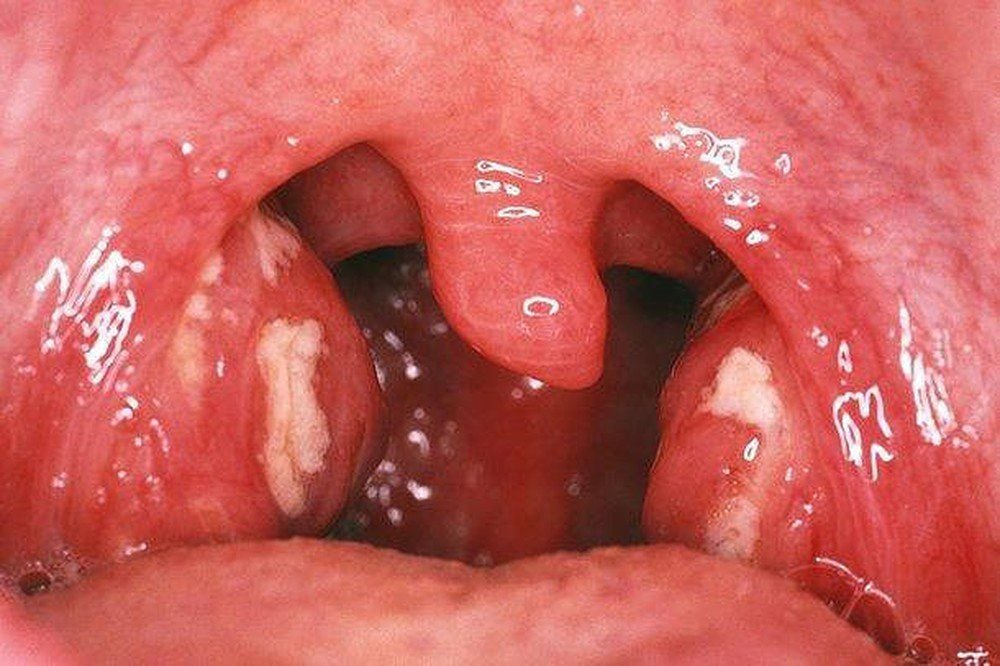
Red, swollen tonsils, sometimes with white patches
-
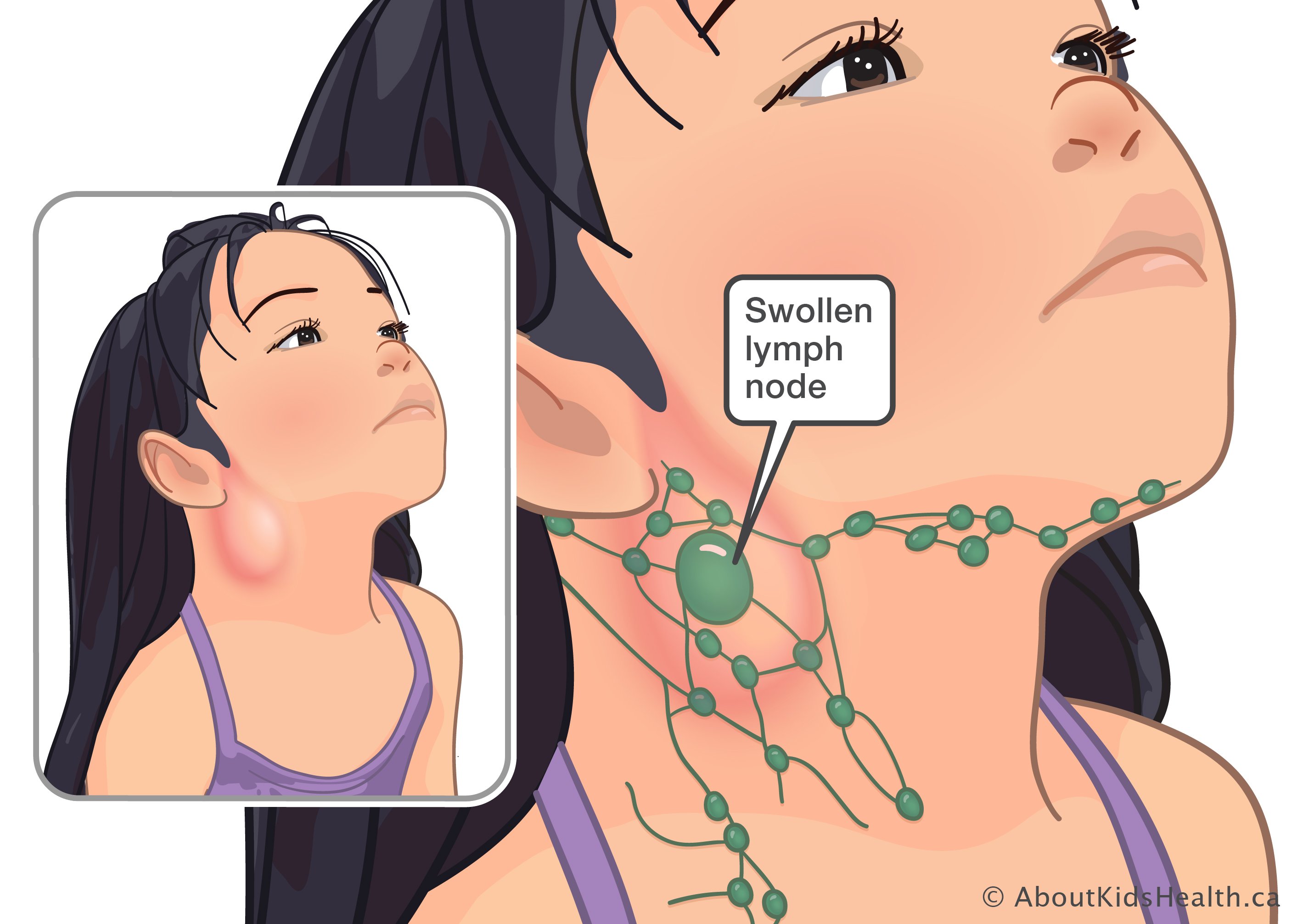
Swollen lymph nodes in the neck
Some children may also develop nausea or vomiting. These Strep Throat Symptoms in Kids often feel more intense than a regular cold and can interfere with daily activities like school and play.
Fever and Pain: How Severe Can It Get?
Fever is one of the most concerning Strep Throat Symptoms in Kids. Temperatures may climb above 101°F (38.3°C) and can make children feel weak and irritable. Throat pain may be sharp and constant, especially when swallowing.
Muscle aches and headaches can add to the discomfort. During this stage, parents often notice that children avoid eating and drinking. Managing fever and pain is important not only for comfort but also to prevent dehydration.
How Strep Throat Affects Daily Life
When Strep Throat Symptoms in Kids are strong, children may struggle with sleep, focus, and energy levels. School attendance often becomes difficult due to pain and fatigue. Social activities are usually paused to prevent spreading the infection to others.
This disruption highlights the importance of early care and balanced routines that support Health and Wellness during recovery. Adequate rest, fluids, and gentle nutrition play a key role in helping children regain strength.
When to See a Doctor for Your Child
Parents should seek medical care when Strep Throat Symptoms in Kids include high fever, severe throat pain, or symptoms that do not improve after a day or two. A healthcare provider can perform a throat test to confirm the infection.
Prompt diagnosis is important because untreated strep throat can lead to complications affecting the ears, sinuses, or other parts of the body. Early treatment helps shorten the illness and reduce risks.
Treatment Options and Home Care Tips
Once diagnosed, treatment usually includes antibiotics to clear the bacteria. Completing the full course is essential, even if Strep Throat Symptoms in Kids begin to improve within a few days.
At home, parents can support recovery by:
-
Encouraging rest and quiet activities
-
Offering warm soups or cold treats to soothe the throat
-
Providing plenty of fluids to prevent dehydration
-
Using doctor-approved fever reducers
These steps help reduce discomfort while the body heals.
Preventing Strep Throat in Children
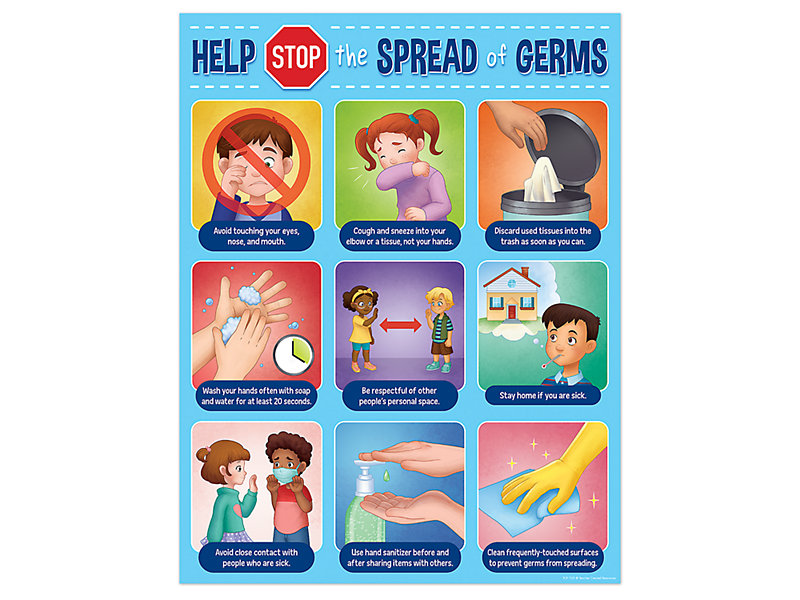
Prevention focuses on hygiene and awareness. Teaching children to wash hands regularly and avoid sharing cups or utensils can lower the risk. Covering the mouth when coughing or sneezing also helps reduce spread.
Even with precautions, Strep Throat Symptoms in Kids can still occur, especially during peak seasons. Recognizing early signs and acting quickly remains the best defense for families.
Final Thoughts
Strep throat can be uncomfortable and disruptive, but understanding Strep Throat Symptoms in Kids empowers parents to respond with confidence. Early recognition, proper medical care, and supportive home routines make a meaningful difference in recovery. With the right steps, most children return to normal activities quickly and safely.






 English
 Arabic
 French
 Portuguese
 Deutsch
 Turkish
 Dutch
Dutch
 Italiano
 Russian
 Romaian
 Portuguese (Brazil)
 Greek
Greek