
Common Fire Hydrant System Installation Mistakes and How to Avoid Them.
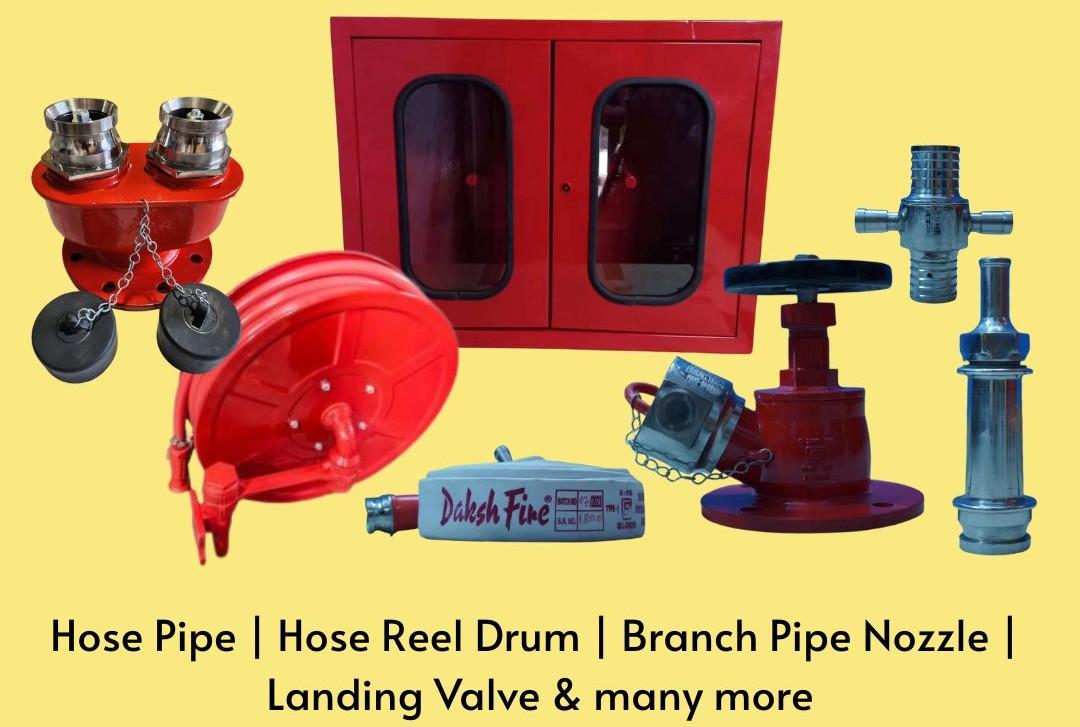
A fire hydrant system is one of the most critical components of a building’s fire protection infrastructure. Designed to supply high-pressure water for firefighting, it plays a vital role during emergencies. However, even the best-designed system can fail if it is installed incorrectly.
Unfortunately, fire hydrant system installation mistakes are common and can severely impact firefighting efficiency, regulatory compliance, and overall safety. This blog highlights the most common installation errors and explains how to avoid them to ensure reliable fire protection.
Why Proper Fire Hydrant System Installation Matters.
Impact on Fire Safety and Emergency Response
An improperly installed fire hydrant system can result in low water pressure, inaccessible hydrant points, or complete system failure during a fire. These issues delay firefighting operations and increase the risk of damage and casualties.
Legal and Compliance Implications
Fire safety authorities require hydrant systems to comply with the National Building Code (NBC) and local fire regulations. Installation mistakes can lead to failed inspections, rejection of fire NOC applications, and legal penalties.
Common Fire Hydrant System Installation Mistakes.
1. Inadequate Water Storage Capacity
One of the most frequent mistakes is installing a fire water tank that does not meet required capacity standards. Designers may underestimate water demand or ignore future expansion needs.
Risk:
Insufficient water during prolonged firefighting operations.
2. Incorrect Pump Selection and Installation
Fire pumps are the heart of a hydrant system. Errors such as using pumps with insufficient pressure, improper alignment, or not installing a standby diesel pump can compromise system performance.
Risk:
Pump failure or low pressure during emergencies.
3. Poor Pipeline Design and Layout
Improper pipeline sizing, excessive bends, and long routing paths cause pressure drops. Using incorrect pipe materials also increases the risk of leakage and corrosion.
Risk:
Reduced water flow and unreliable system performance.
4. Improper Placement of Landing Valves and Hydrants
Landing valves and hydrant points must be easily accessible. Poor placement—behind obstacles or at incorrect heights—makes firefighting difficult.
Risk:
Delayed response time and non-compliance with fire safety norms.
5. Use of Low-Quality or Non-Certified Components
Using substandard valves, hoses, or fittings may reduce initial costs but increases the risk of failure under high pressure.
Risk:
Equipment malfunction during critical moments.
6. Lack of System Integration
Fire hydrant systems should work in coordination with fire alarm and sprinkler systems. Failing to integrate these systems delays pump activation and emergency response.
Risk:
Slower firefighting initiation and reduced efficiency.
7. Skipping Testing and Commissioning
Some installations are handed over without proper pressure testing, flow testing, or trial runs.
Risk:
Hidden defects remain undetected until an actual fire occurs.
How to Avoid Fire Hydrant System Installation Mistakes.
✓ Follow NBC and Local Fire Safety Guidelines - Always design and install systems as per NBC standards and local fire authority requirements. Compliance ensures safety and approval.
✓ Hire Certified Fire Protection Professionals - Experienced professionals understand hydraulic calculations, system layout, and regulatory expectations, reducing the risk of errors.
✓ Ensure Proper System Design - Accurate hydraulic calculations, correct pump selection, and optimized pipeline layout ensure adequate pressure and flow.
✓ Use Approved and Quality-Certified Equipment - Always use IS-approved or internationally certified components to ensure durability and reliability.
✓ Conduct Thorough Testing and Documentation - Pressure testing, flow testing, and commissioning reports should be completed before system handover.
Importance of Regular Inspection and Maintenance.
Even a well-installed system requires routine inspection and maintenance. Regular checks help:
✓ Identify leaks and pressure issues
✓ Ensure pump readiness
✓ Keep valves and hoses functional
Maintenance ensures the system remains emergency-ready throughout its lifespan.
People Also Ask (FAQs)
Q1. What is the most common fire hydrant system installation mistake?
Inadequate water storage capacity and improper pump selection are among the most common errors.
Q2. Is testing of fire hydrant systems mandatory?
Yes, pressure and flow testing are mandatory before approval and during periodic inspections.
Q3. How often should a fire hydrant system be inspected?
Most regulations require monthly inspections and annual comprehensive testing.
Q4. Can improper installation lead to fire NOC rejection?
Yes, non-compliant installation is a major reason for fire NOC rejection.
Conclusion.
Avoiding common fire hydrant system installation mistakes is essential for ensuring reliable fire protection, regulatory compliance, and occupant safety. From correct design and quality components to proper testing and professional installation, every step plays a crucial role.
Investing in a properly installed fire hydrant system is not just a regulatory requirement—it is a long-term commitment to safety, preparedness, and peace of mind.

 English
 French
 Spanish
 Portuguese
 Deutsch
 Turkish
 Dutch
Dutch
 Italiano
 Russian
 Romaian
 Portuguese (Brazil)
 Greek
Greek