
The Ultimate Guide to Bone Care - Maintaining Strong and Healthy Bones
Bones are the foundation of the human body, providing structure, support, and protection for vital organs. Proper bone care is essential at every stage of life, from childhood to old age. Maintaining healthy bones not only improves mobility but also prevents serious conditions such as osteoporosis and fractures.
Understanding Bone Health
Bone health refers to the strength, density, and overall integrity of the skeletal system. Bones are living tissues that constantly regenerate and remodel themselves. A balance between bone formation and bone breakdown is crucial for lifelong bone care. Factors such as age, genetics, nutrition, and lifestyle significantly influence bone health.
Essential Nutrients for Strong Bones
Proper nutrition plays a pivotal role in maintaining bone care. Key nutrients include:
-
Calcium: Essential for bone density and strength. Adults need around 1,000–1,200 mg daily. Dairy products, leafy greens, and fortified foods are excellent sources.
-
Vitamin D: Helps the body absorb calcium effectively. Sunlight exposure and foods like fatty fish and eggs can boost vitamin D levels.
-
Protein: Supports bone structure and repair. Lean meats, legumes, and nuts provide high-quality protein.
-
Magnesium and Zinc: Critical for bone formation and mineralization. Found in seeds, nuts, whole grains, and green vegetables.
Lifestyle Habits for Optimal Bone Care
In addition to nutrition, lifestyle choices significantly impact bone care. Some essential practices include:
-
Regular Exercise: Weight-bearing exercises like walking, running, and resistance training strengthen bones. Balance and flexibility exercises reduce the risk of falls.
-
Avoid Smoking and Excessive Alcohol: Both habits weaken bones and increase the risk of fractures.
-
Maintain a Healthy Weight: Being underweight or overweight can negatively affect bone density.
Bone Care Across Different Life Stages
Bone health needs vary with age, and bone care strategies should adjust accordingly:
-
Children and Adolescents: Adequate calcium and vitamin D intake, along with active play, are crucial for building strong bones.
-
Adults: Regular exercise, balanced nutrition, and lifestyle management help maintain bone density.
-
Older Adults: Bone density declines naturally with age. Focus on fall prevention, calcium and vitamin D supplementation, and regular bone density check-ups.
Common Bone Disorders
Even with proper bone care, some individuals may experience bone-related conditions:
-
Osteoporosis: A condition characterized by weak, brittle bones, increasing fracture risk.
-
Arthritis: Inflammation of joints that can affect bone integrity.
-
Fractures: Often result from accidents or weakened bones due to aging or disease.
Tips for Effective Bone Care
-
Consume a nutrient-rich diet that supports bone health.
-
Engage in regular weight-bearing and strength exercises.
-
Avoid habits that weaken bones, such as smoking and excessive alcohol consumption.
-
Get routine medical check-ups and bone density tests when needed.
-
Ensure sufficient sunlight exposure for natural vitamin D production.
The Role of Supplements in Bone Care
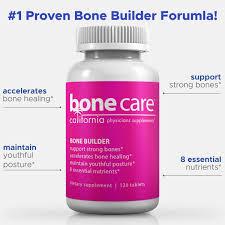
Supplements can be beneficial, especially for individuals who have difficulty meeting their nutrient requirements through diet alone. Calcium and vitamin D supplements are commonly recommended under medical guidance. However, a balanced diet should always remain the primary source of nutrients.
Conclusion
Prioritizing bone care is essential for maintaining mobility, strength, and overall health throughout life. With proper nutrition, regular exercise, and healthy lifestyle choices, individuals can significantly reduce the risk of bone-related conditions. Investing time in bone care today ensures a strong and resilient skeletal system for years to come.

 English
 Arabic
 French
 Spanish
 Portuguese
 Deutsch
 Turkish
 Dutch
Dutch
 Italiano
 Russian
 Romaian
 Portuguese (Brazil)