
A Look Inside the Diverse and Interconnected GPS Tracker Industry Ecosystem
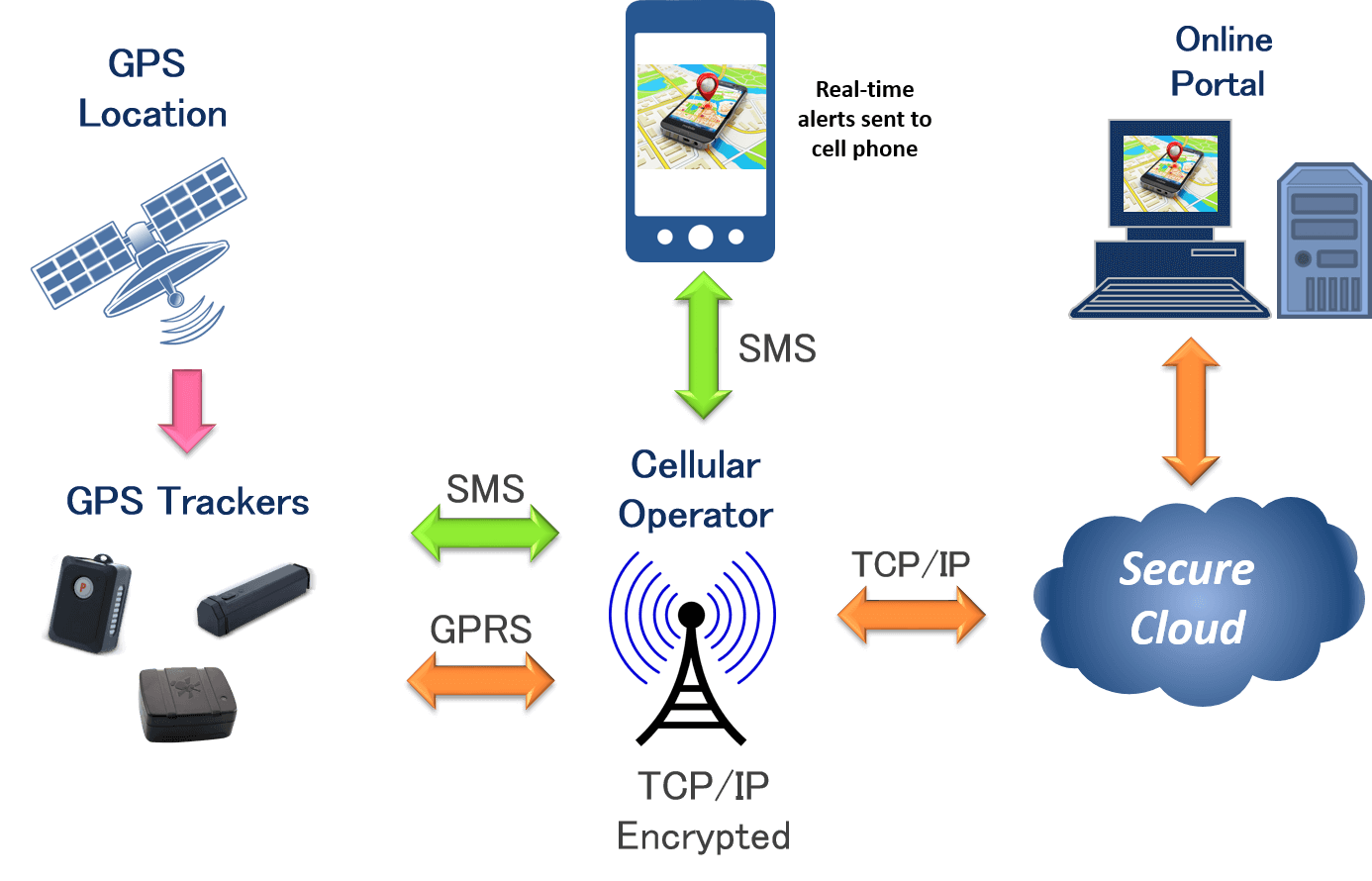
The modern GPS Tracker Industry is a complex and multi-layered ecosystem, comprising a wide array of specialized companies that work together to deliver end-to-end tracking solutions. It's a common misconception that the industry consists only of the companies whose brand names appear on the devices. In reality, it is a global supply chain involving component manufacturers, hardware designers, software developers, connectivity providers, and service integrators. The combined efforts of this entire ecosystem are what fuels the industry's impressive growth and innovation. The GPS Tracker Market is Growing at a CAGR of 12.8%, Expected to Reach from USD 3.16 Billion to USD 11.88 Billion During 2025 - 2035. Understanding the roles of these different players is key to appreciating the industry's structure and the collaborative effort required to bring a tracking solution to market.
At the very foundation of the industry are the component manufacturers. This includes semiconductor companies like u-blox, Qualcomm, and MediaTek, which design and produce the critical GPS/GNSS receiver chipsets that determine the device's location accuracy and power consumption. It also includes the manufacturers of the cellular and satellite modem chips that enable the device to communicate its location data back to the server. Other key component suppliers provide the antennas, batteries, and microcontrollers that are essential for the device's operation. The innovation and competition at this foundational layer—producing smaller, more power-efficient, and more accurate chipsets—have a direct and profound impact on the capabilities of the final products that reach the market.
The next layer is composed of the hardware manufacturers and device designers. These companies, often referred to as Original Design Manufacturers (ODMs) or Original Equipment Manufacturers (OEMs), take the core components and integrate them into a finished product. This involves designing the printed circuit board (PCB), developing the device's firmware, and enclosing it in a durable and appropriate casing, whether it's a rugged, waterproof enclosure for an industrial asset tracker or a small, discreet case for a personal tracker. Some of these companies, like Teltonika, sell their hardware under their own brand through distributors, while others operate as white-label manufacturers, producing devices that are then rebranded and sold by other telematics service providers. This segment is responsible for the physical manifestation of the technology.
The top layers of the industry are the software platform developers and the Telematics Service Providers (TSPs). The software companies create the cloud-based platforms that receive, process, and display the tracking data. They develop the web portals and mobile apps that end-users interact with, building features like geofencing, custom alerts, and detailed reporting. The TSPs are the customer-facing entities that bundle the hardware, software, and cellular data connectivity into a single, cohesive solution. They are the ones who sell, install, and support the systems for the end customer, whether it's a large trucking company or an individual consumer. This intricate, multi-layered ecosystem, from the silicon chip to the final customer service call, demonstrates the complexity and interdependence that defines the modern GPS tracker industry.
Explore More Like This in Our Regional Reports:
Italy Tag Management Software Market Size

 English
 Arabic
 French
 Spanish
 Portuguese
 Deutsch
 Turkish
 Dutch
Dutch
 Italiano
 Russian
 Romaian
 Greek
Greek