
How Scrap Metal From Unwanted Cars Is Reused in Australia
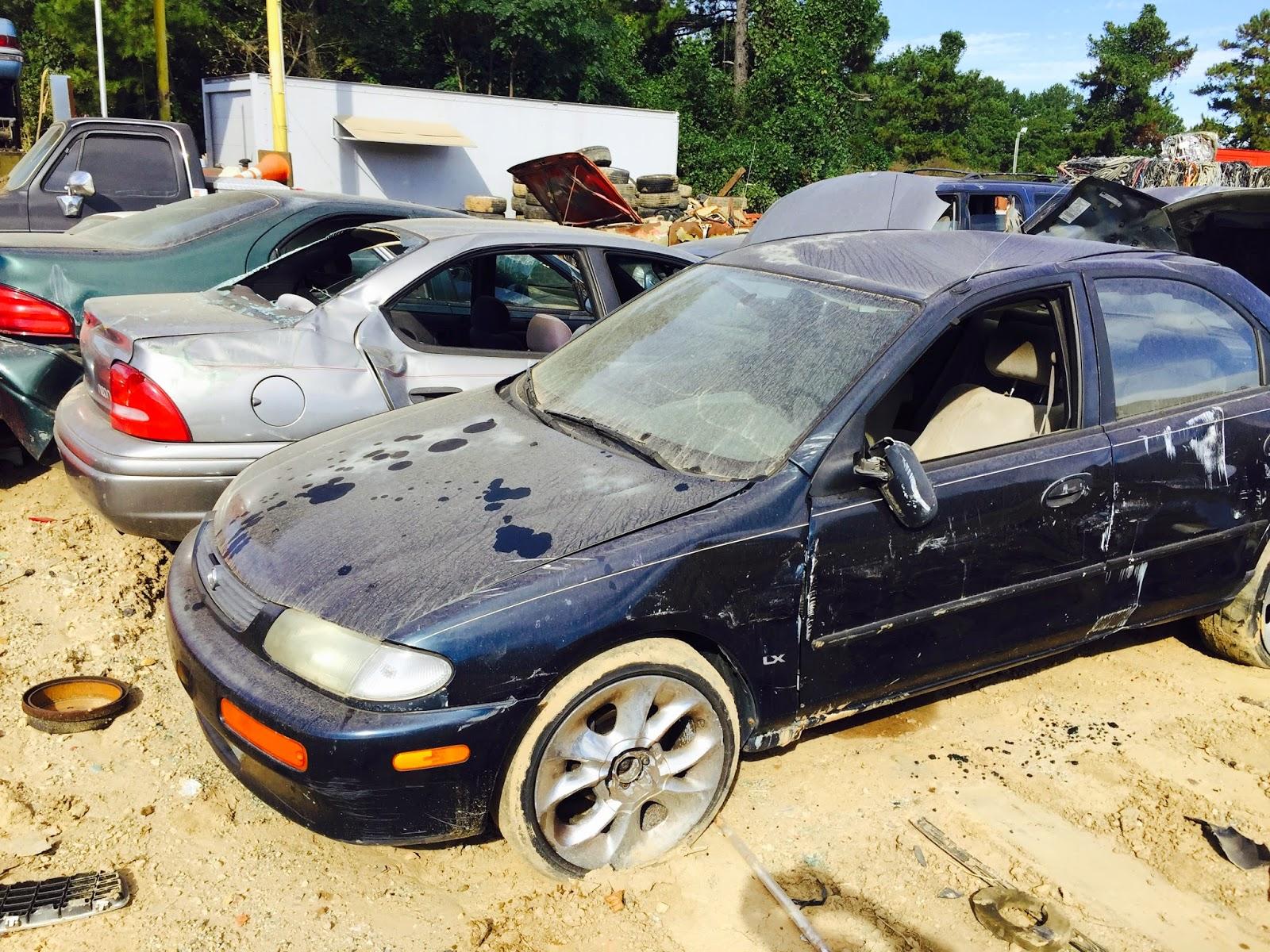
Unwanted cars sit in many homes across Australia. Some do not start. Some fail road checks. Others cost too much to keep. Many owners think these vehicles have no use. That belief is wrong. Inside every unwanted car sits metal that still has purpose. This metal moves through a clear reuse path that supports industry, cuts waste, and lowers pressure on raw resources.
This article explains how scrap metal from unwanted cars is reused in Australia. It covers each stage of the process, from collection to reuse. It also explains why this cycle matters for the economy and the environment.
What Scrap Metal Comes From Unwanted Cars
Every vehicle contains a large amount of metal. Even cars that no longer run still hold materials that industry needs.
Common metals found in unwanted cars include:
-
Steel from frames and panels
-
Aluminium from engines and wheels
-
Copper from wiring systems
-
Brass from fittings
-
Lead from batteries
Australian automotive data shows that metal makes up more than sixty percent of an average car by weight. This means most of the vehicle can return to use rather than become waste.
Why Australia Reuses Scrap Metal From Cars
Australia relies on metal for building, transport, and manufacturing. Mining new metal uses large amounts of energy and water. Scrap metal reuse lowers this demand.
Reusing metal from cars helps Australia in several ways:
-
It lowers landfill use
-
It reduces pressure on mining sites
-
It cuts energy use during metal production
-
It supports local recycling work
Steel made from scrap uses much less energy than steel made from raw ore. Aluminium reuse saves even more energy. These facts show why car scrap plays an important role in resource care.
The First Step: Removing Unwanted Cars
The reuse journey begins when an unwanted vehicle leaves a property. Cars that sit unused can leak fluids and collect rust. Removing them stops further damage to land and structures.
Once removed, vehicles go to sorting yards. These yards prepare the cars for safe metal recovery. Each vehicle follows a set path based on its condition and material mix.
Draining Fluids Before Metal Processing
Before metal recovery begins, all fluids are removed. This step protects workers and prevents land damage.
Fluids removed include:
-
Engine oil
-
Coolant
-
Brake fluid
-
Fuel
These liquids are sent to treatment centres. Some are cleaned and reused. Others are treated to meet disposal rules. This step is required under Australian waste laws.
Separating Metals From Other Materials
After fluids are removed, workers separate non metal parts. Seats, tyres, glass, and plastic come out first. These materials follow their own recycling paths.
Once stripped, the metal body remains. This shell contains mixed metals that need further sorting.
Crushing And Shredding Metal Bodies
The metal shell is crushed into smaller sections. Crushing saves space and helps later sorting. After this, the metal moves through shredders.
Shredders break the metal into small pieces. These pieces pass through magnets and sensors that separate steel from other metals. This process allows clean material recovery.
Sorting Steel For Reuse
Steel is the largest metal group in cars. After separation, steel is cleaned and bundled. It is then sent to steel plants.
Reused steel from cars is often used for:
-
Construction beams
-
Road barriers
-
New car parts
-
Household goods
Australia reuses a high share of scrap steel each year. Car scrap plays a steady role in this supply.
Reusing Aluminium From Unwanted Cars
Aluminium comes from engines, wheels, and gear parts. This metal is light and strong. Aluminium reuse saves a large amount of energy.
Once separated, aluminium is melted and reshaped. It may return as:
-
Engine blocks
-
Window frames
-
Transport parts
-
Industrial tools
Reused aluminium keeps the same strength as new aluminium. This makes it a valuable scrap material.
Copper Recovery From Car Wiring
Copper sits inside wiring, motors, and small parts. Even a single car contains several kilograms of copper.
After separation, copper is cleaned and melted. It returns to use in:
-
Electrical cables
-
Power systems
-
Plumbing fittings
Copper reuse supports energy and housing sectors across Australia.
How Scrap Metal Supports Australian Industry
Scrap metal from unwanted cars supports many local industries. Steel plants rely on steady scrap supply. Manufacturing sites use recycled metal to reduce production costs. Builders use recycled steel in major projects.
This metal cycle keeps money and work within Australia. It also lowers the need for imported raw materials.
Environmental Impact Of Car Scrap Reuse
Metal reuse lowers pollution linked to mining and transport. Mining often disturbs land and water systems. Reuse limits this damage.
Recycling metals also reduces greenhouse gas output. Studies show that metal reuse produces far less carbon than raw metal processing. This supports national climate goals.
Legal Standards That Guide Scrap Metal Handling
Australia has clear rules for scrap handling. These rules cover fluid removal, waste tracking, and worker safety.
Each stage of car scrap handling must meet state and federal guidelines. These laws protect the environment and ensure materials reenter the supply chain safely.
A Practical Option For Vehicle Owners
Many owners want a clear way to remove unwanted cars. Using a removal service helps move the vehicle into the reuse cycle rather than letting it decay.
One service that connects vehicle owners with this recycling path is the unwanted car buyer in Sydney, available through. This option fits into the wider scrap system by ensuring old vehicles reach yards where metal reuse begins in the right way.
What Happens After Metal Leaves The Yard
After sorting, metal travels to foundries and mills. These facilities melt and reshape the metal. Quality checks ensure the metal meets safety standards.
Once approved, the metal enters manufacturing streams. At this point, it becomes part of new items used across daily life.
Why This Process Matters Long Term
Australia faces rising waste levels. Vehicles form a large part of material waste when not handled correctly. Scrap metal reuse reduces this load.
By reusing metal from cars, Australia protects land, saves energy, and supports jobs. Each unwanted car that enters the reuse cycle helps this system stay strong.
Final Thoughts
Unwanted cars are not useless. They hold metal that still has purpose. Through careful removal, sorting, and reuse, this metal returns to industry rather than filling landfills.
Understanding this process helps people see the value in proper car disposal. It also shows how daily choices support larger systems that protect resources and support the economy.
Every unwanted car placed into the reuse cycle becomes part of a larger effort that shapes a cleaner and more responsible future for Australia

 English
 Arabic
 French
 Spanish
 Portuguese
 Deutsch
 Turkish
 Dutch
Dutch
 Italiano
 Russian
 Portuguese (Brazil)
 Greek
Greek