
Sports Cars vs Supercars: Key Differences in Speed, Cost, and Driving Experience
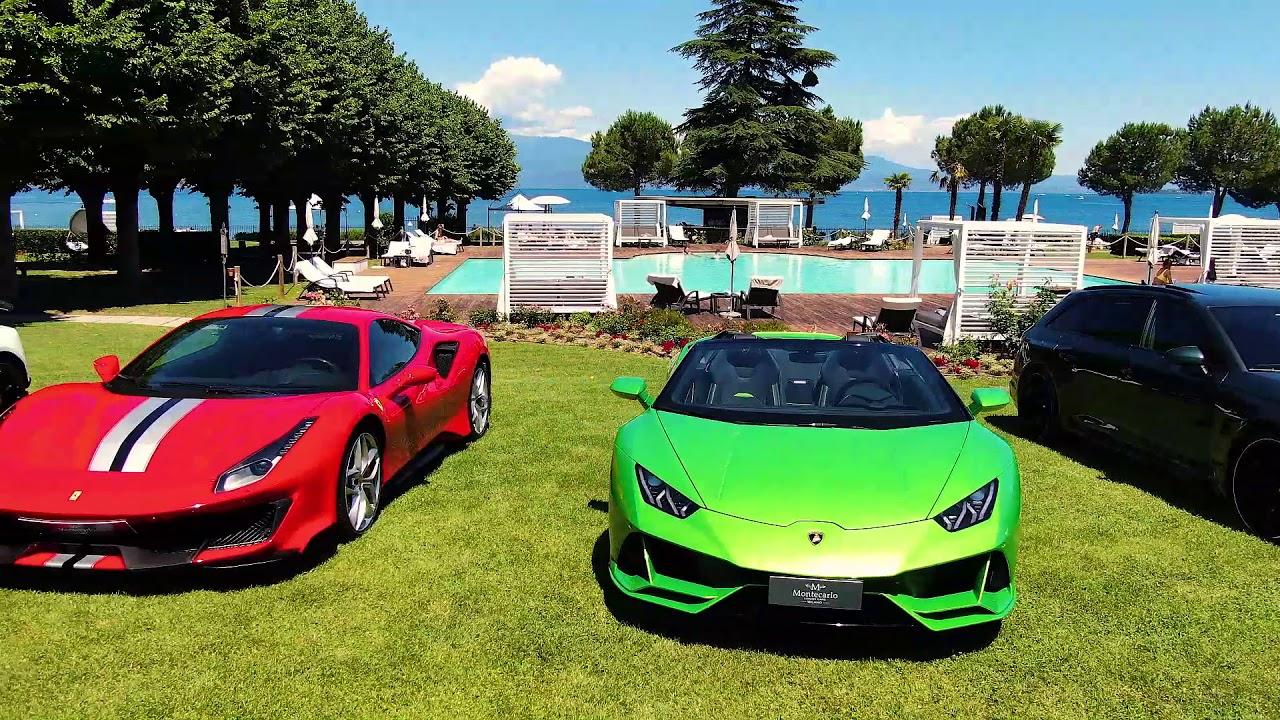
The debate between sports cars and supercars has grown louder as performance vehicles become more accessible and more diverse. Both categories promise excitement, precision engineering, and an emotional driving experience. Yet they serve very different purposes and appeal to different types of drivers. Understanding how they differ in speed, cost, and real-world usability helps buyers and renters make smarter decisions that match their expectations.
In simple terms, sports cars focus on balance. They blend performance with daily usability and affordability. Supercars push boundaries. They showcase extreme speed, exotic design, and cutting-edge technology. This comparison of Sports Cars vs Supercars breaks down what truly separates them, beyond badges and horsepower numbers.
What Defines a Sports Car?
A sports car is built around driver engagement. It prioritizes handling, acceleration, and responsiveness without sacrificing practicality. Many sports cars are designed to be driven daily, even in city traffic.
Manufacturers tune these vehicles to deliver sharp cornering and strong performance. They do this while keeping ownership costs within reach for enthusiasts.
Common traits of sports cars include:
-
Lightweight construction focused on agility
-
Powerful engines that emphasize usable torque
-
Balanced suspension for both comfort and control
-
Interior layouts designed for driver focus
Sports cars often sit at the intersection of performance and realism. They are fast enough to thrill but still manageable on public roads.
What Makes a Supercar Different?
Supercars exist to impress and dominate performance metrics. They are engineered with little compromise and built to deliver extreme acceleration, top speed, and visual drama.
Unlike sports cars, supercars are often limited-production models. They showcase advanced materials like carbon fiber and aerospace-grade alloys. Every component is optimized for performance, not cost.
Key characteristics of supercars include:
-
Exotic engines with extreme horsepower output
-
Aerodynamic designs shaped by wind tunnel testing
-
Advanced cooling and braking systems
-
Interiors that blend luxury with race-inspired elements
-
Limited availability and exclusivity
Supercars are statements. They reflect technological achievement as much as driving capability.
Speed and Performance Comparison
Speed is often the first metric people compare, and it is where the gap becomes obvious. Sports cars deliver impressive acceleration and high top speeds. Supercars operate on a different level entirely.
Sports cars typically reach 0–100 km/h in a range that feels thrilling on the street. Their power delivery is designed to be controllable and confidence-inspiring. Supercars achieve similar speeds in dramatically less time and continue accelerating far beyond what most roads allow.
Performance differences are not only about straight-line speed:
-
Sports cars emphasize cornering balance and driver feedback
-
Supercars focus on raw acceleration and aerodynamic grip
-
Track performance favors supercars, but skill matters more in sports cars
On public roads, the performance gap often feels smaller than on paper.
Cost of Ownership and Financial Commitment
Cost is one of the most significant differences between the two categories. Sports cars are expensive compared to standard vehicles, but they remain within reach for many enthusiasts. Supercars demand a much higher financial commitment.
Purchase price is only the beginning. Maintenance, insurance, tires, and servicing costs scale quickly with performance.
Sports cars generally offer:
-
Lower initial purchase prices
-
Wider availability of service centers
-
More predictable maintenance costs
Supercars come with added financial realities:
-
High acquisition and resale volatility
-
Specialized servicing requirements
-
Expensive consumables like brakes and tires
This cost difference plays a major role for drivers exploring Sports Car Rental or exotic vehicle experiences.
Driving Experience on Real Roads
Driving feel separates these categories more than numbers ever could. Sports cars are designed to communicate with the driver. Steering feedback, throttle response, and chassis balance create a sense of connection.
Supercars can feel overwhelming without experience. Their power demands respect, and their width and low ride height can be challenging in urban environments.
On everyday roads:
-
Sports cars feel playful and approachable
-
Supercars feel intense and demanding
-
Visibility and comfort favor sports cars
-
Attention and presence favor supercars
Many drivers discover they enjoy sports cars more often simply because they can use them fully.
Practicality and Daily Use
Practicality often decides long-term satisfaction. Sports cars usually provide reasonable trunk space, better ride comfort, and less aggressive seating positions. They adapt well to commuting and weekend drives.
Supercars sacrifice practicality for performance. Storage space is limited. Ground clearance can be a constant concern. Ride quality often prioritizes stiffness over comfort.
For daily use:
-
Sports cars integrate easily into normal routines
-
Supercars require planning and careful driving
-
Parking and speed bumps are real considerations
This difference matters greatly outside of controlled environments like tracks.
Rental Experience and Accessibility
For many enthusiasts, renting is the most realistic way to experience high-performance vehicles. Rental availability reflects practicality and demand.
Sports cars are widely available through premium fleets. They suit longer rentals and flexible driving plans. Supercars are often rented for shorter durations and special occasions.
When choosing between categories:
-
Sports cars offer extended enjoyment and ease of use
-
Supercars deliver unforgettable moments in limited time
This distinction becomes important when considering Supercar Rental for events, travel, or personal milestones.
Companies like RCD Rent a Car provide access to a wide range of vehicles across both categories. This allows drivers to compare experiences without ownership commitments, which is especially valuable for understanding personal preferences.
Technology and Engineering Philosophy
Sports cars and supercars reflect different engineering goals. Sports cars balance innovation with reliability. Their technology enhances control and safety without overwhelming the driver.
Supercars push innovation to extremes. They often debut new drivetrain layouts, hybrid performance systems, and advanced aerodynamics before these technologies reach mainstream vehicles.
Engineering differences include:
-
Sports cars focus on refinement and evolution
-
Supercars focus on innovation and boundary-pushing
-
Electronics play a larger role in managing supercar performance
Both approaches are impressive, but they serve different audiences.
Image, Lifestyle, and Emotional Appeal
Beyond performance, image matters. Sports cars project confidence and enthusiasm. They blend into everyday life while still feeling special.
Supercars project exclusivity and spectacle. They attract attention instantly and represent achievement and status.
Emotionally:
-
Sports cars feel personal and engaging
-
Supercars feel dramatic and larger than life
-
Long-term attachment often favors sports cars
Neither is better. They simply resonate with different personalities.
Which One Is Right for You?
Choosing between a sports car and a supercar depends on how you plan to drive and what you value most. Speed alone should not decide the answer.
Sports cars suit drivers who want frequent enjoyment and control. Supercars suit those seeking peak performance and unforgettable presence.
Before deciding, consider:
-
How often you will drive
-
Where you will drive
-
Your comfort with extreme power
-
Your budget beyond the initial experience
Understanding these factors leads to a more satisfying choice.
Final Thoughts
Sports cars and supercars represent two philosophies of performance driving. One focuses on balance and accessibility. The other focuses on extremes and innovation. Both deliver excitement, but in very different ways.
By understanding differences in speed, cost, and driving experience, drivers can choose vehicles that align with their lifestyle and expectations. Whether the goal is daily engagement or rare intensity, clarity makes the experience far more rewarding.

 English
 Arabic
 French
 Spanish
 Portuguese
 Turkish
 Dutch
Dutch
 Italiano
 Russian
 Romaian
 Portuguese (Brazil)
 Greek
Greek