
How AI Assistants and Autonomous Agents Are Transforming Workflows
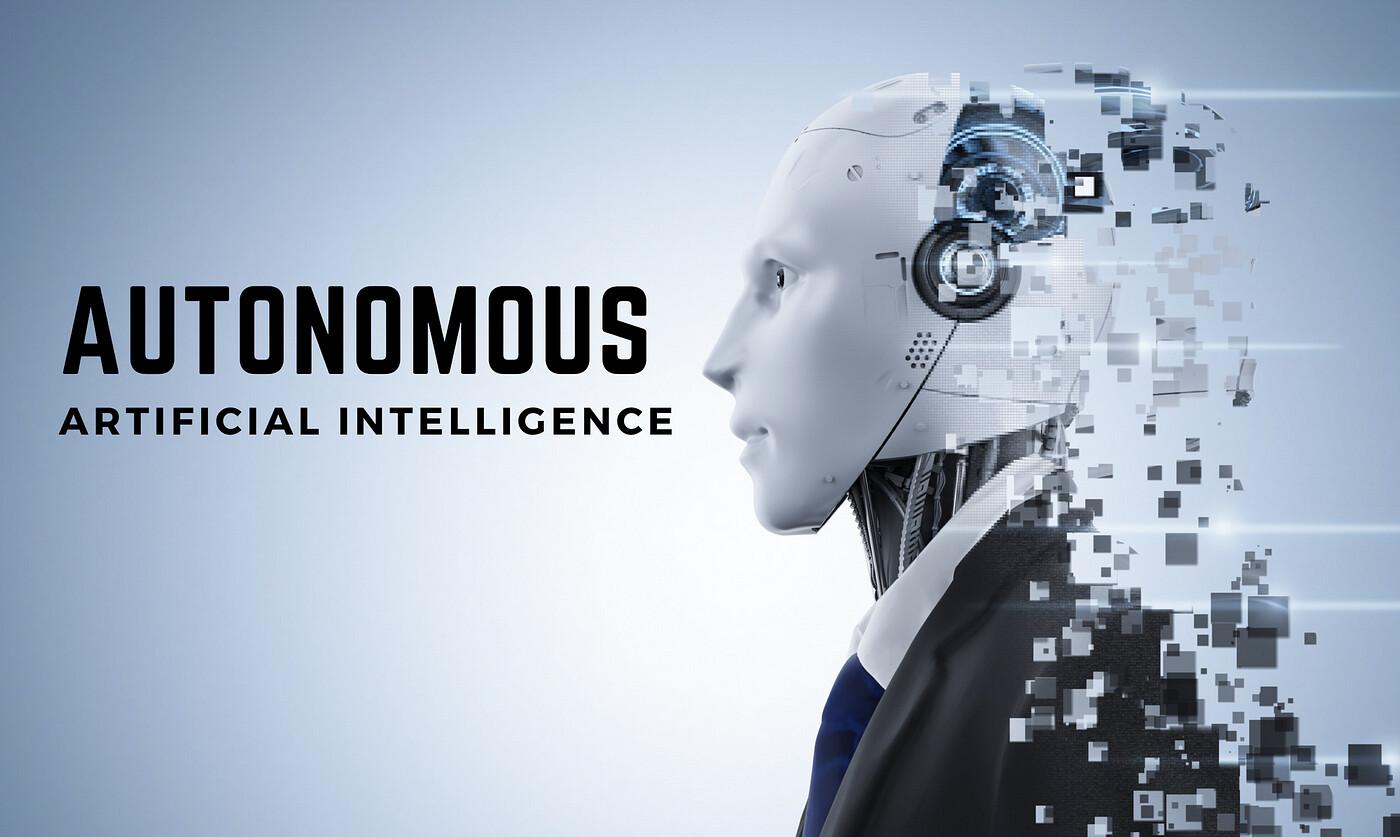
The evolution from simple virtual assistants to sophisticated autonomous agents represents a fundamental transformation in human-computer interaction paradigms. The progression of ai assistants and autonomous agents demonstrates remarkable capability advancement over recent years. The Autonomous AI and Autonomous Agents Market size is projected to grow USD 471.52 Billion by 2035, exhibiting a CAGR of 43.8% during the forecast period 2025-2035. Early virtual assistants provided simple query responses and basic task execution requiring explicit commands for each action. Modern autonomous agents understand context, maintain goals across interactions, and take initiative to complete complex multi-step tasks. Natural language understanding improvements enable agents to interpret nuanced requests and engage in sophisticated dialogue. Memory and context persistence allow agents to build relationships and improve assistance quality over time. Proactive behavior enables agents to anticipate needs and take helpful actions without explicit instruction. Integration capabilities allow autonomous agents to interact with diverse systems and services on behalf of users. The transformation from reactive assistants to proactive agents creates fundamentally new value propositions for users and organizations.
Consumer applications showcase the practical benefits of autonomous AI assistants in everyday life scenarios. Personal productivity agents manage schedules, communications, and task lists reducing cognitive burden on busy individuals. Shopping assistants research products, compare options, and execute purchases based on user preferences and constraints. Financial management agents monitor accounts, optimize spending, and execute transactions supporting personal financial health. Health and wellness agents track behaviors, provide recommendations, and coordinate with healthcare providers. Entertainment agents curate content, manage subscriptions, and personalize experiences across media platforms. Smart home agents coordinate connected devices creating comfortable, efficient living environments automatically. Travel planning agents research destinations, book arrangements, and manage itineraries comprehensively. Educational assistants personalize learning experiences, track progress, and adapt to individual student needs. These consumer applications demonstrate autonomous agent value in enhancing daily life quality and efficiency.
Enterprise AI assistants have evolved into powerful autonomous agents supporting complex business operations and decision-making. Executive assistants manage communications, schedules, and information flows for organizational leaders efficiently. Sales agents qualify leads, nurture relationships, and support deal progression through buying cycles. Customer service agents resolve inquiries, process transactions, and escalate complex issues appropriately. Research assistants gather information, synthesize insights, and prepare materials for human analysts. Project management agents track progress, identify risks, and coordinate team activities proactively. HR assistants support recruiting, onboarding, and employee service delivery at scale. IT support agents diagnose issues, implement solutions, and prevent problems through proactive monitoring. Legal assistants review documents, research precedents, and support case preparation activities. Enterprise autonomous agents deliver measurable productivity improvements and cost savings across organizational functions.
Future development directions promise even more capable and valuable autonomous AI assistants and agents. Emotional intelligence improvements enable agents to recognize and respond appropriately to human emotional states. Physical world interaction capabilities through robotics extend autonomous agent value beyond purely digital domains. Multi-agent collaboration enables complex task completion through coordinated efforts of specialized autonomous entities. Personalization depth increases as agents develop richer understanding of individual users over extended interactions. Trust and verification mechanisms ensure agents act consistently with user values and organizational policies. Seamless handoff between autonomous operation and human involvement optimizes outcomes across varying complexity levels. Privacy-preserving approaches enable personalized assistance while protecting sensitive user information appropriately. The trajectory toward more capable, trustworthy, and valuable autonomous AI assistants continues accelerating.
Top Trending Reports -
GCC Photogrammetry Software Market Share

 English
 Arabic
 French
 Spanish
 Portuguese
 Turkish
 Dutch
Dutch
 Italiano
 Russian
 Romaian
 Portuguese (Brazil)
 Greek
Greek