• Personalized Medicine Trends in the Ophthalmic Therapeutics & Drug Market

    According to a newly published market research report by 24LifeSciences, global ophthalmic therapeutics & drug market was valued at USD 33.92 billion in 2024 and is projected to reach USD 51.2 billion by 2032, growing at a compound annual growth rate (CAGR) of 5.1% during the forecast period 2025–2032.

    Ophthalmic therapeutics and drugs are specialized pharmaceutical products designed to treat a wide spectrum of eye diseases and disorders. These critical medications are formulated for topical administration, such as eye drops and ointments, or for invasive procedures like intravitreal injections, targeting conditions from common ailments like dry eye and allergies to serious, vision-threatening diseases such as age-related macular degeneration (AMD), glaucoma, and diabetic retinopathy. Key therapeutic classes include anti-allergy, anti-VEGF agents, anti-inflammatory, and anti-glaucoma medications. Their established efficacy in preserving vision and managing ocular health continues to underpin their critical importance in both clinical ophthalmology and global public health initiatives.

    Download a Free Sample Report (PDF): https://www.24lifesciences.com/download-sample/9401/ophthalmic-therapeutics-drug-marke
    Personalized Medicine Trends in the Ophthalmic Therapeutics & Drug Market According to a newly published market research report by 24LifeSciences, global ophthalmic therapeutics & drug market was valued at USD 33.92 billion in 2024 and is projected to reach USD 51.2 billion by 2032, growing at a compound annual growth rate (CAGR) of 5.1% during the forecast period 2025–2032. Ophthalmic therapeutics and drugs are specialized pharmaceutical products designed to treat a wide spectrum of eye diseases and disorders. These critical medications are formulated for topical administration, such as eye drops and ointments, or for invasive procedures like intravitreal injections, targeting conditions from common ailments like dry eye and allergies to serious, vision-threatening diseases such as age-related macular degeneration (AMD), glaucoma, and diabetic retinopathy. Key therapeutic classes include anti-allergy, anti-VEGF agents, anti-inflammatory, and anti-glaucoma medications. Their established efficacy in preserving vision and managing ocular health continues to underpin their critical importance in both clinical ophthalmology and global public health initiatives. Download a Free Sample Report (PDF): https://www.24lifesciences.com/download-sample/9401/ophthalmic-therapeutics-drug-marke
    0 Commenti 0 condivisioni 17 Views 0 Anteprima
  • The Business Environment: Internal, External & Economic Factors Explained
    This infographic highlights the business environment by explaining internal factors, external forces, and economic conditions that influence organisational decision-making and business growth.
    Visit now:- https://www.assignmentexperthelp.co.uk/sample/the-business-environment
    The Business Environment: Internal, External & Economic Factors Explained This infographic highlights the business environment by explaining internal factors, external forces, and economic conditions that influence organisational decision-making and business growth. Visit now:- https://www.assignmentexperthelp.co.uk/sample/the-business-environment
    0 Commenti 0 condivisioni 13 Views 0 Anteprima
  • The Business Environment: Internal, External & Economic Factors Explained
    This infographic highlights the business environment by explaining internal factors, external forces, and economic conditions that influence organisational decision-making and business growth.
    Visit now:- https://www.assignmentexperthelp.co.uk/sample/the-business-environment
    The Business Environment: Internal, External & Economic Factors Explained This infographic highlights the business environment by explaining internal factors, external forces, and economic conditions that influence organisational decision-making and business growth. Visit now:- https://www.assignmentexperthelp.co.uk/sample/the-business-environment
    0 Commenti 0 condivisioni 9 Views 0 Anteprima
  • Unmet Clinical Needs Driving Innovation in Lichen Sclerosus Treatments

    According to a newly published market research report by 24LifeSciences, the global lichen sclerosus treatment market value is at USD 100.5 million in 2026 and is projected to reach USD 133 million by 2031, growing at a compound annual growth rate (CAGR) of 4.8% during the forecast period.

    Lichen sclerosus is a chronic, inflammatory skin condition that primarily affects the anogenital area, characterized by white, patchy skin that is thinner than normal. This autoimmune-related disorder disproportionately impacts postmenopausal women and poses significant long-term health risks, including scarring, functional impairment, and an elevated risk of squamous cell carcinoma of the vulva. The market's growth is fundamentally driven by increasing disease awareness, improved diagnostic rates, and the established efficacy of first-line treatments, particularly ultra-potent topical corticosteroids. The chronic nature of the condition necessitates ongoing management, creating sustained demand for pharmaceutical interventions and specialist care.

    Download a Free Sample Report (PDF): https://www.24lifesciences.com/download-sample/9018/lichen-sclerosus-treatment-market
    Unmet Clinical Needs Driving Innovation in Lichen Sclerosus Treatments According to a newly published market research report by 24LifeSciences, the global lichen sclerosus treatment market value is at USD 100.5 million in 2026 and is projected to reach USD 133 million by 2031, growing at a compound annual growth rate (CAGR) of 4.8% during the forecast period. Lichen sclerosus is a chronic, inflammatory skin condition that primarily affects the anogenital area, characterized by white, patchy skin that is thinner than normal. This autoimmune-related disorder disproportionately impacts postmenopausal women and poses significant long-term health risks, including scarring, functional impairment, and an elevated risk of squamous cell carcinoma of the vulva. The market's growth is fundamentally driven by increasing disease awareness, improved diagnostic rates, and the established efficacy of first-line treatments, particularly ultra-potent topical corticosteroids. The chronic nature of the condition necessitates ongoing management, creating sustained demand for pharmaceutical interventions and specialist care. Download a Free Sample Report (PDF): https://www.24lifesciences.com/download-sample/9018/lichen-sclerosus-treatment-market
    0 Commenti 0 condivisioni 7 Views 0 Anteprima
  • Orthodontic Clear Aligners With No Metal Wires

    Our practice is led by board-certified orthodontic professionals who are committed to delivering the highest standard of care. Board certification reflects advanced education, proven clinical expertise, and a dedication to ongoing learning in orthodontics.

    Learn More- https://www.zupyak.com/p/4582959/t/invisalign-for-every-age-straighten-your-smile-without-wires
    Orthodontic Clear Aligners With No Metal Wires Our practice is led by board-certified orthodontic professionals who are committed to delivering the highest standard of care. Board certification reflects advanced education, proven clinical expertise, and a dedication to ongoing learning in orthodontics. Learn More- https://www.zupyak.com/p/4582959/t/invisalign-for-every-age-straighten-your-smile-without-wires
    0 Commenti 0 condivisioni 16 Views 0 Anteprima
  • Board-Certified Orthodontic Professionals

    Our practice is led by board-certified orthodontic professionals who are committed to delivering the highest standard of care. Board certification reflects advanced education, proven clinical expertise, and a dedication to ongoing learning in orthodontics.

    Learn More- https://www.traversecityorthodontics.com/about-us
    Board-Certified Orthodontic Professionals Our practice is led by board-certified orthodontic professionals who are committed to delivering the highest standard of care. Board certification reflects advanced education, proven clinical expertise, and a dedication to ongoing learning in orthodontics. Learn More- https://www.traversecityorthodontics.com/about-us
    0 Commenti 0 condivisioni 11 Views 0 Anteprima
  • 7 Benefits of Apple Cider Vinegar for Diabetics
    Apple cider vinegar and type 2 diabetes
    Type 2 Diabetes, which affects millions worldwide, is a chronic disease that results from consistently high blood sugar levels. As we all know by now, diet plays a huge role in triggering, as well as, managing the condition. While medicines are usually the first line of defence, switching to a plant-based diet has been shown to be far more effective and sustainable. There are several natural ingredients that complement this approach, with their ability to lower blood sugar. Apple cider vinegar (ACV) is one of them. With its tart acidic flavour, Apple cider vinegar finds use among a variety of dishes, especially soups and salads. But there is more than flavour to commend this condiment, as we shall see.
    Apple Cider Vinegar Benefits
    1. Reduces Inflammation
    The root cause of diabetes is insulin sensitivity. And this is caused, in part, by prolonged high inflammation in the body. This happens when the body turns acidic. Apple cider vinegar, on the other hand, increases alkalinity in the body, reducing inflammation and improving sensitivity.
    2. Reduces Blood Glucose Levels
    Apple cider vinegar (ACV) contains acetic acid which has been shown to slow the conversion of complex carbohydrates into sugar, thus reducing the amount of glucose absorbed in the bloodstream, and directly decreasing blood glucose levels.
    3. Helps with Weight Loss
    A randomized clinical trial published in ‘Journal of Functional Food’ had participants drink 15 ml (2 tablespoons) of ACV with lunch and dinner. The research found that people in the ACV group lost an average of eight and a half pounds over 12 weeks. ACV is shown to lower appetite and this may be the reason behind the weight loss. 
    Ways to Consume Apple Cider Vinegar
    Mix 1-2 tablespoons of Apple cider vinegar in approximately 100 ml of water. This decoction can be had in between meals or before bedtime.

    Browse full blog-
    https://www.freedomfromdiabetes.org/blog/post/top-5-benefits-of-apple-cider-vinegar-in-diabetes-management/1553
    Contact us :-
    Mob : +91-7776077760
    Email-Id : info@freedomfromdiabetes.org
    Also connect with us on our website , Facebook page, and youtube
    7 Benefits of Apple Cider Vinegar for Diabetics Apple cider vinegar and type 2 diabetes Type 2 Diabetes, which affects millions worldwide, is a chronic disease that results from consistently high blood sugar levels. As we all know by now, diet plays a huge role in triggering, as well as, managing the condition. While medicines are usually the first line of defence, switching to a plant-based diet has been shown to be far more effective and sustainable. There are several natural ingredients that complement this approach, with their ability to lower blood sugar. Apple cider vinegar (ACV) is one of them. With its tart acidic flavour, Apple cider vinegar finds use among a variety of dishes, especially soups and salads. But there is more than flavour to commend this condiment, as we shall see. Apple Cider Vinegar Benefits 1. Reduces Inflammation The root cause of diabetes is insulin sensitivity. And this is caused, in part, by prolonged high inflammation in the body. This happens when the body turns acidic. Apple cider vinegar, on the other hand, increases alkalinity in the body, reducing inflammation and improving sensitivity. 2. Reduces Blood Glucose Levels Apple cider vinegar (ACV) contains acetic acid which has been shown to slow the conversion of complex carbohydrates into sugar, thus reducing the amount of glucose absorbed in the bloodstream, and directly decreasing blood glucose levels. 3. Helps with Weight Loss A randomized clinical trial published in ‘Journal of Functional Food’ had participants drink 15 ml (2 tablespoons) of ACV with lunch and dinner. The research found that people in the ACV group lost an average of eight and a half pounds over 12 weeks. ACV is shown to lower appetite and this may be the reason behind the weight loss.  Ways to Consume Apple Cider Vinegar Mix 1-2 tablespoons of Apple cider vinegar in approximately 100 ml of water. This decoction can be had in between meals or before bedtime. Browse full blog- https://www.freedomfromdiabetes.org/blog/post/top-5-benefits-of-apple-cider-vinegar-in-diabetes-management/1553 Contact us :- Mob : +91-7776077760 Email-Id : info@freedomfromdiabetes.org Also connect with us on our website , Facebook page, and youtube
    WWW.FREEDOMFROMDIABETES.ORG
    Is apple cider vinegar good for diabetic patients? - Freedom from Diabetes
    What are the top 5 apple cider vinegar benefits in diabetes management. Apple cider vinegar help in reduces inflammation, reduce blood glucose levels and more.
    0 Commenti 0 condivisioni 11 Views 0 Anteprima
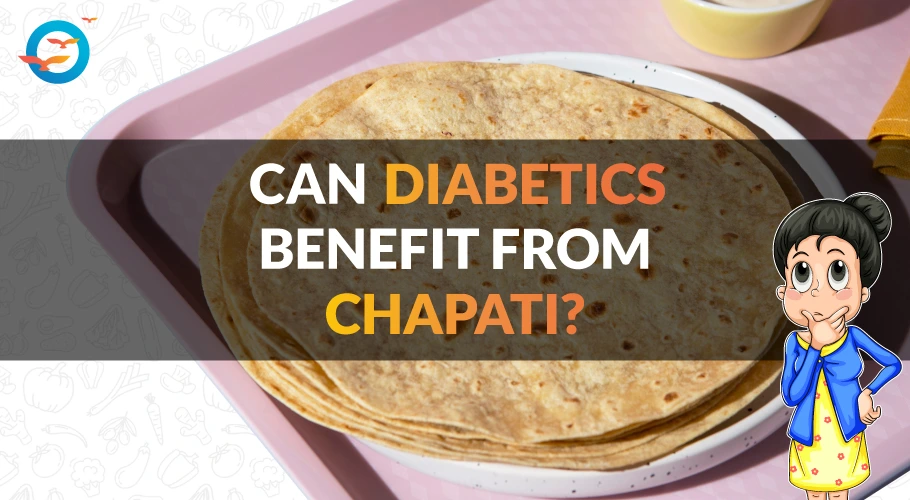
  • Chapati and Blood Sugar: Friend or Foe for Diabetics?
    Is Wheat Chapati Good for Diabetes?
    Wheat chapati for diabetic patient
    In this blog, we'll delve into the nutritional aspects of the traditional chapati and explore its impact on blood sugar levels.
    Nutrient Composition:
    Chapati or roti, an Indian staple is prepared by rolling out small wheat dough balls and cooking them on a hot griddle.  
    It is a common accompaniment to curries, gravies, and lentil dishes.Traditional flour carries several nutritional benefits. 
    The Glycemic Index Perspective:
    Whole wheat has a lower GI compared to refined grains, which means it has a more gradual impact on blood sugar. This property is beneficial for individuals with diabetes as it helps keep sugars stable.
    What is recommended?
    Indian organic varieties are preferred.
    Why you might ask?
    Well, organic varieties are cultivated using natural and sustainable farming methods, avoiding synthetic pesticides and fertilizers. 
    However, like any dietary choice, moderation and thoughtful decisions are crucial. It is recommended for individuals with diabetes to seek guidance from healthcare professionals or nutritionists for a personalized meal plan aligned with their specific health needs and objectives.
    Browse full blog-
    https://www.freedomfromdiabetes.org/blog/post/whole-wheat-chapati-a-diabetic's-delight-or-disaster/3735
    Contact us :-
    Mob : +91-7776077760
    Email-Id : info@freedomfromdiabetes.org
    Also connect with us on our website , Facebook page, and youtube
    Chapati and Blood Sugar: Friend or Foe for Diabetics? Is Wheat Chapati Good for Diabetes? Wheat chapati for diabetic patient In this blog, we'll delve into the nutritional aspects of the traditional chapati and explore its impact on blood sugar levels. Nutrient Composition: Chapati or roti, an Indian staple is prepared by rolling out small wheat dough balls and cooking them on a hot griddle.   It is a common accompaniment to curries, gravies, and lentil dishes.Traditional flour carries several nutritional benefits.  The Glycemic Index Perspective: Whole wheat has a lower GI compared to refined grains, which means it has a more gradual impact on blood sugar. This property is beneficial for individuals with diabetes as it helps keep sugars stable. What is recommended? Indian organic varieties are preferred. Why you might ask? Well, organic varieties are cultivated using natural and sustainable farming methods, avoiding synthetic pesticides and fertilizers.  However, like any dietary choice, moderation and thoughtful decisions are crucial. It is recommended for individuals with diabetes to seek guidance from healthcare professionals or nutritionists for a personalized meal plan aligned with their specific health needs and objectives. Browse full blog- https://www.freedomfromdiabetes.org/blog/post/whole-wheat-chapati-a-diabetic's-delight-or-disaster/3735 Contact us :- Mob : +91-7776077760 Email-Id : info@freedomfromdiabetes.org Also connect with us on our website , Facebook page, and youtube
    WWW.FREEDOMFROMDIABETES.ORG
    Can diabetics eat wheat chapati? - Freedom from Diabetes
    Whole Wheat Chapati for diabetes, wheat has a lower GI compared to refined grains helps to keep sugar stable. Whole wheat rich in fiber, vitamins, and minerals.
    0 Commenti 0 condivisioni 12 Views 0 Anteprima
  • What Is the Future of the Neurovascular Intervention Devices Market? Insights & Forecasts

    According to a newly published market research report by 24LifeSciences, global neurovascular intervention devices market value is at USD 1.43 billion in 2026 and is projected to reach USD 1.83 billion by 2031, growing at a compound annual growth rate (CAGR) of 4.3% during the forecast period.

    Neurovascular intervention is a highly specialized field of minimally invasive endovascular therapy focused on treating complex conditions of the brain and spinal cord's blood vessels. It employs a sophisticated array of devicesincluding aneurysm coils, flow diverters, stent retrievers, and embolic agentsto manage life-threatening pathologies like ischemic stroke, cerebral aneurysms, arteriovenous malformations (AVMs), and intracranial stenosis. The proven clinical benefits of these procedures, namely reduced patient trauma, shorter hospital stays, and improved functional outcomes compared to traditional open surgery, continue to solidify their critical role in modern cerebrovascular care.

    Download a Free Sample Report (PDF): https://www.24lifesciences.com/download-sample/8693/neurovascular-intervention-devices-market
    What Is the Future of the Neurovascular Intervention Devices Market? Insights & Forecasts According to a newly published market research report by 24LifeSciences, global neurovascular intervention devices market value is at USD 1.43 billion in 2026 and is projected to reach USD 1.83 billion by 2031, growing at a compound annual growth rate (CAGR) of 4.3% during the forecast period. Neurovascular intervention is a highly specialized field of minimally invasive endovascular therapy focused on treating complex conditions of the brain and spinal cord's blood vessels. It employs a sophisticated array of devicesincluding aneurysm coils, flow diverters, stent retrievers, and embolic agentsto manage life-threatening pathologies like ischemic stroke, cerebral aneurysms, arteriovenous malformations (AVMs), and intracranial stenosis. The proven clinical benefits of these procedures, namely reduced patient trauma, shorter hospital stays, and improved functional outcomes compared to traditional open surgery, continue to solidify their critical role in modern cerebrovascular care. Download a Free Sample Report (PDF): https://www.24lifesciences.com/download-sample/8693/neurovascular-intervention-devices-market
    0 Commenti 0 condivisioni 8 Views 0 Anteprima
  • Poha vs Dhokla for Breakfast: What’s Better for Diabetics and Weight Loss?
    Poha or Dhokla for Breakfast: What's in Your Plate?
    Poha is made from flattened rice, typically cooked with onions, mustard seeds, turmeric, curry leaves, and sometimes peanuts or potatoes. It’s quick, comforting, and rich in iron.
    Dhokla, on the other hand, is made from fermented gram flour (besan) or mixed dals, steamed into a soft, spongy texture. It’s low in fat, packed with protein, and often topped with mustard seeds, curry leaves, and green chillies.
    Poha vs Dhokla for Diabetes
    From a diabetic perspective, Dhokla is the better option. With its low glycemic index and higher fiber, it provides steady energy without causing sharp sugar spikes. In contrast, Poha, with a moderately high GI, digests quickly, potentially raising blood sugar levels faster.
    Poha vs Dhokla for Weight Loss
    Looking at Poha vs Dhokla for weight loss, Dhokla again offers an advantage. Its fermentation boosts gut health, while the high protein and fiber content keeps you full longer helping prevent cravings and overeating.
    Final Word
    So, which is healthier, Poha or Dhokla? For most people, especially those managing weight or diabetes, Dhokla offers more long-term benefits. But both can be part of a balanced breakfast if made thoughtfully. It all depends on your health goals and how you prepare your plate.

    Browse full blog-
    https://www.freedomfromdiabetes.org/blog/post/poha-vs-dhokla-for-diabetics-weight-loss/4760
    Contact us :-
    Mob : +91-7776077760
    Email-Id : info@freedomfromdiabetes.org
    Also connect with us on our website , Facebook page, and youtube
    Poha vs Dhokla for Breakfast: What’s Better for Diabetics and Weight Loss? Poha or Dhokla for Breakfast: What's in Your Plate? Poha is made from flattened rice, typically cooked with onions, mustard seeds, turmeric, curry leaves, and sometimes peanuts or potatoes. It’s quick, comforting, and rich in iron. Dhokla, on the other hand, is made from fermented gram flour (besan) or mixed dals, steamed into a soft, spongy texture. It’s low in fat, packed with protein, and often topped with mustard seeds, curry leaves, and green chillies. Poha vs Dhokla for Diabetes From a diabetic perspective, Dhokla is the better option. With its low glycemic index and higher fiber, it provides steady energy without causing sharp sugar spikes. In contrast, Poha, with a moderately high GI, digests quickly, potentially raising blood sugar levels faster. Poha vs Dhokla for Weight Loss Looking at Poha vs Dhokla for weight loss, Dhokla again offers an advantage. Its fermentation boosts gut health, while the high protein and fiber content keeps you full longer helping prevent cravings and overeating. Final Word So, which is healthier, Poha or Dhokla? For most people, especially those managing weight or diabetes, Dhokla offers more long-term benefits. But both can be part of a balanced breakfast if made thoughtfully. It all depends on your health goals and how you prepare your plate. Browse full blog- https://www.freedomfromdiabetes.org/blog/post/poha-vs-dhokla-for-diabetics-weight-loss/4760 Contact us :- Mob : +91-7776077760 Email-Id : info@freedomfromdiabetes.org Also connect with us on our website , Facebook page, and youtube
    WWW.FREEDOMFROMDIABETES.ORG
    Poha vs Dhokla:Which Is Healthier for Diabetics & Weight Loss? - Freedom from Diabetes
    Poha vs Dhokla: Which is healthier for breakfast, weight loss, or diabetes? Compare nutrition, calories, and benefits to make the best choice for your plate.
    0 Commenti 0 condivisioni 13 Views 0 Anteprima
  • Is Dragon Fruit Diabetic-Friendly? Exploring Its Glycemic Impact
    Dragon Fruit and Diabetes 
    Fruits are undoubtedly one of nature’s most delightful offerings. They are juicy, flavorful, and refreshingly sweet, providing a burst of pleasure that revitalizes both the body and the mind. With their high water content and rich supply of essential nutrients such as vitamins, minerals, and antioxidants, fruits are a perfect, wholesome snack that keeps us hydrated and nourished throughout the day. However, for individuals with diabetes, enjoying fruits isn’t always as simple or carefree as it is for those without the condition.
    What are the main challenges diabetics face when consuming fruits?
    For diabetics, managing blood sugar levels becomes a daily task, and consuming fruits, which are naturally high in sugars, can often raise concerns about sugar spikes. Unlike non-diabetics who can freely indulge in various fruits, those with diabetes must carefully consider which fruits they consume and in what quantities. This careful approach is necessary to avoid sudden spikes in blood sugar levels, which can lead to unwanted health complications.
    Dragon Fruit for Sugar Patients  
    Fortunately, there is good news for fruit lovers living with diabetes. Low Glycemic Index (GI) fruits provide a wonderful solution, as they are less likely to cause rapid increases in blood sugar
    Benefits of Dragon Fruit
    1. With a low glycemic index ranging between 48 to 52, dragon fruit is an ideal fruit for those looking to manage their blood sugar levels.
    2. Its high fiber content aids digestion, while its antioxidants help combat various health issues by reducing inflammation and oxidative stress in the body.
    3. Additionally, dragon fruit plays a significant role in lowering cholesterol levels, contributing to heart health.
    Browse full blog-
    https://www.freedomfromdiabetes.org/blog/post/Is-dragon-fruit-good-for-diabetics/4362
    Contact us :-
    Mob : +91-7776077760
    Email-Id : info@freedomfromdiabetes.org
    Also connect with us on our website , Facebook page, and youtube
    Is Dragon Fruit Diabetic-Friendly? Exploring Its Glycemic Impact Dragon Fruit and Diabetes  Fruits are undoubtedly one of nature’s most delightful offerings. They are juicy, flavorful, and refreshingly sweet, providing a burst of pleasure that revitalizes both the body and the mind. With their high water content and rich supply of essential nutrients such as vitamins, minerals, and antioxidants, fruits are a perfect, wholesome snack that keeps us hydrated and nourished throughout the day. However, for individuals with diabetes, enjoying fruits isn’t always as simple or carefree as it is for those without the condition. What are the main challenges diabetics face when consuming fruits? For diabetics, managing blood sugar levels becomes a daily task, and consuming fruits, which are naturally high in sugars, can often raise concerns about sugar spikes. Unlike non-diabetics who can freely indulge in various fruits, those with diabetes must carefully consider which fruits they consume and in what quantities. This careful approach is necessary to avoid sudden spikes in blood sugar levels, which can lead to unwanted health complications. Dragon Fruit for Sugar Patients   Fortunately, there is good news for fruit lovers living with diabetes. Low Glycemic Index (GI) fruits provide a wonderful solution, as they are less likely to cause rapid increases in blood sugar Benefits of Dragon Fruit 1. With a low glycemic index ranging between 48 to 52, dragon fruit is an ideal fruit for those looking to manage their blood sugar levels. 2. Its high fiber content aids digestion, while its antioxidants help combat various health issues by reducing inflammation and oxidative stress in the body. 3. Additionally, dragon fruit plays a significant role in lowering cholesterol levels, contributing to heart health. Browse full blog- https://www.freedomfromdiabetes.org/blog/post/Is-dragon-fruit-good-for-diabetics/4362 Contact us :- Mob : +91-7776077760 Email-Id : info@freedomfromdiabetes.org Also connect with us on our website , Facebook page, and youtube
    WWW.FREEDOMFROMDIABETES.ORG
    Dragon fruit for diabetics - Freedom from Diabetes
    How dragon fruit helps manage diabetes, its effects on blood sugar, and whether it's safe for diabetics. Explore the benefits of both white and pink varieties.
    0 Commenti 0 condivisioni 14 Views 0 Anteprima
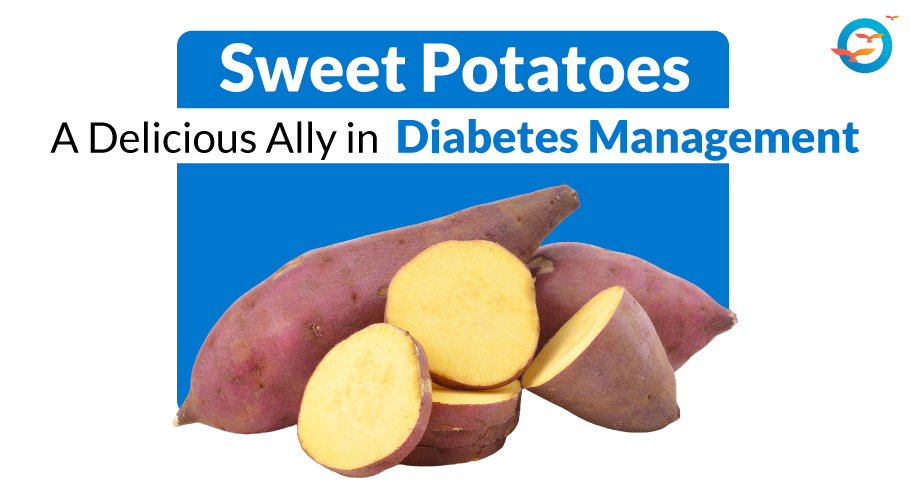
  • Is Sweet Potato Good for Diabetes?
    Understanding Diabetes and Diet

    Diabetes is a chronic condition that affects how the body processes glucose, making it crucial for individuals to carefully manage their diet to maintain stable blood sugar levels.
    The right food choices can help prevent complications, control weight, and improve overall health, emphasizing the importance of a balanced and informed approach to nutrition.
    The Importance of Glycemic Load and Glycemic Index

    Diabetics should choose foods after understanding glycemic load (GL) and glycemic index (GI) because these measures provide crucial insights into how different foods affect blood sugar levels.
    The glycemic index ranks foods based on how quickly they raise blood glucose, while glycemic load takes into account the quantity of carbohydrates in a serving, offering a more comprehensive view of a food's impact on blood sugar.
    By selecting foods with low GI and GL, individuals with diabetes can better manage their blood sugar levels, reduce the risk of spikes and crashes, and promote overall metabolic health, leading to improved long-term outcomes.
    Sweet Potato: A Nutritional Overview
    There are several types of sweet potatoes, including the orange-fleshed varieties, which are rich in beta-carotene, and the purple-fleshed types, known for their antioxidant properties, as well as white and yellow-fleshed varieties.
    Can Sweet Potatoes Increase Blood Sugar?

    The glycemic index of sweet potato varies depending on the cooking method, but it generally ranges from 44 to 94, with boiled sweet potatoes having a lower GI compared to baked ones, making them a healthier option for those managing blood sugar levels.
    Browse full blog-
    https://www.freedomfromdiabetes.org/blog/post/sweet-potato-and-diabetes/4207
    Contact us :-
    Mob : +91-7776077760
    Email-Id : info@freedomfromdiabetes.org
    Also connect with us on our website , Facebook page, and youtube
    Is Sweet Potato Good for Diabetes? Understanding Diabetes and Diet Diabetes is a chronic condition that affects how the body processes glucose, making it crucial for individuals to carefully manage their diet to maintain stable blood sugar levels. The right food choices can help prevent complications, control weight, and improve overall health, emphasizing the importance of a balanced and informed approach to nutrition. The Importance of Glycemic Load and Glycemic Index Diabetics should choose foods after understanding glycemic load (GL) and glycemic index (GI) because these measures provide crucial insights into how different foods affect blood sugar levels. The glycemic index ranks foods based on how quickly they raise blood glucose, while glycemic load takes into account the quantity of carbohydrates in a serving, offering a more comprehensive view of a food's impact on blood sugar. By selecting foods with low GI and GL, individuals with diabetes can better manage their blood sugar levels, reduce the risk of spikes and crashes, and promote overall metabolic health, leading to improved long-term outcomes. Sweet Potato: A Nutritional Overview There are several types of sweet potatoes, including the orange-fleshed varieties, which are rich in beta-carotene, and the purple-fleshed types, known for their antioxidant properties, as well as white and yellow-fleshed varieties. Can Sweet Potatoes Increase Blood Sugar? The glycemic index of sweet potato varies depending on the cooking method, but it generally ranges from 44 to 94, with boiled sweet potatoes having a lower GI compared to baked ones, making them a healthier option for those managing blood sugar levels. Browse full blog- https://www.freedomfromdiabetes.org/blog/post/sweet-potato-and-diabetes/4207 Contact us :- Mob : +91-7776077760 Email-Id : info@freedomfromdiabetes.org Also connect with us on our website , Facebook page, and youtube
    WWW.FREEDOMFROMDIABETES.ORG
    Is Sweet Potato Good for Diabetes? - Freedom from Diabetes
    Sweet potato is a starchy root vegetable known for its sweet flavor and vibrant orange or purple flesh, making it a popular ingredient in various cuisines.
    0 Commenti 0 condivisioni 7 Views 0 Anteprima
Pagine in Evidenza