

Search

 Arabic
 French
 Spanish
 Portuguese
 Deutsch
 Turkish
 Dutch
Dutch
 Italiano
 Russian
 Romaian
 Portuguese (Brazil)
 Greek
Greek
Recent Updates
-
Glycation: The Hidden Cause of Wrinkles & High Sugar
Ever wondered why some people show signs of aging sooner even when they eat “okay”? One hidden culprit is glycation. This slow, sticky process happens inside your body every day, but if you’re living with high blood sugar or eating a lot of processed food, it speeds up dramatically. Understanding it can help you look and feel younger for longer.
What is Glycation?
In simple words, glycation occurs when sugar molecules attach to proteins and fats in your body without the help of enzymes. This reaction creates harmful compounds called Advanced Glycation End Products (AGEs). These AGEs damage collagen, stiffen arteries, slow cell repair, and accelerate aging. People with diabetes are especially vulnerable because glycation and diabetes go hand in hand. Chronic high glucose means more AGEs in less time.
How Glycation Ages You Faster?
Excess AGEs weaken skin elasticity, making wrinkles appear earlier. They also harden blood vessels, increasing the risk of heart disease, kidney problems, and nerve damage. This is why experts call it “sugar rust.” When you manage blood sugar, you’re not only preventing complications, you’re slowing glycation ageing throughout your body.
Foods & Habits That Increase Glycation
Your diet and cooking style directly influence how much glycation happens inside you.
Foods that cause glycation include sugary snacks, white bread, deep-fried foods, grilled meats, and processed foods high in fructose.
People often ask, “does fruit cause glycation?” Whole fruits in moderation are less of a problem because fiber slows sugar absorption. Fruit juices and sugary syrups, however, can spike AGEs.
High-heat cooking, smoking, and chronic stress also add fuel to the fire.
Browse full blog-
https://www.freedomfromdiabetes.org/blog/post/glycation-hidden-cause-wrinkles-high-sugar/4843
Contact us :-
Mob : +91-7776077760
Email-Id : info@freedomfromdiabetes.org
Also connect with us on our website , Facebook page, and youtubeGlycation: The Hidden Cause of Wrinkles & High Sugar Ever wondered why some people show signs of aging sooner even when they eat “okay”? One hidden culprit is glycation. This slow, sticky process happens inside your body every day, but if you’re living with high blood sugar or eating a lot of processed food, it speeds up dramatically. Understanding it can help you look and feel younger for longer. What is Glycation? In simple words, glycation occurs when sugar molecules attach to proteins and fats in your body without the help of enzymes. This reaction creates harmful compounds called Advanced Glycation End Products (AGEs). These AGEs damage collagen, stiffen arteries, slow cell repair, and accelerate aging. People with diabetes are especially vulnerable because glycation and diabetes go hand in hand. Chronic high glucose means more AGEs in less time. How Glycation Ages You Faster? Excess AGEs weaken skin elasticity, making wrinkles appear earlier. They also harden blood vessels, increasing the risk of heart disease, kidney problems, and nerve damage. This is why experts call it “sugar rust.” When you manage blood sugar, you’re not only preventing complications, you’re slowing glycation ageing throughout your body. Foods & Habits That Increase Glycation Your diet and cooking style directly influence how much glycation happens inside you. Foods that cause glycation include sugary snacks, white bread, deep-fried foods, grilled meats, and processed foods high in fructose. People often ask, “does fruit cause glycation?” Whole fruits in moderation are less of a problem because fiber slows sugar absorption. Fruit juices and sugary syrups, however, can spike AGEs. High-heat cooking, smoking, and chronic stress also add fuel to the fire. Browse full blog- https://www.freedomfromdiabetes.org/blog/post/glycation-hidden-cause-wrinkles-high-sugar/4843 Contact us :- Mob : +91-7776077760 Email-Id : info@freedomfromdiabetes.org Also connect with us on our website , Facebook page, and youtube0 Comments 0 Shares 24 Views 0 Reviews -
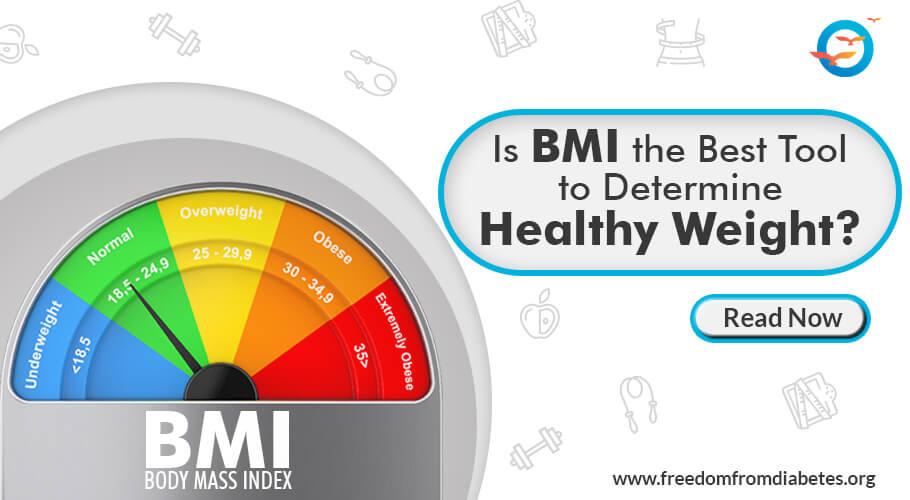
Is BMI the Best Tool to Determine Healthy Weight?
The WHO today recognizes the validity of the Body mass index (BMI) and has set the following ranges to determine the distinction between being thin and being overweight or obese.
Classification BMI Range
Normal 18.5 and 24.9
Underweight Under 18.5
Overweight 25 to 29.9
Obese 30.39.9
Calculate your BMI
To calculate your BMI, simply divide your weight—measured in kilograms—by your height squared—measured in meters
Limitations
Height
The mathematics of calculating BMI by dividing weight means that it returns too large a number for short people and too small a number for taller people: short people will be rated as being thinner and tall people fatter than they actually are.
Muscularity
Since muscle is heavier than fat, heavily muscled people, like athletes, weightlifters, boxers, etc. by virtue of their higher muscle mass, will be adjudged overweight or obese, despite having a lean midsection.
Browse full blog-
https://www.freedomfromdiabetes.org/blog/post/is-bmi-the-best-tool-to-determine-healthy-weight/2751
Contact us :-
Mob : +91-7776077760
Email-Id : info@freedomfromdiabetes.org
Also connect with us on our website , Facebook page, and youtube
Is BMI the Best Tool to Determine Healthy Weight? The WHO today recognizes the validity of the Body mass index (BMI) and has set the following ranges to determine the distinction between being thin and being overweight or obese. Classification BMI Range Normal 18.5 and 24.9 Underweight Under 18.5 Overweight 25 to 29.9 Obese 30.39.9 Calculate your BMI To calculate your BMI, simply divide your weight—measured in kilograms—by your height squared—measured in meters Limitations Height The mathematics of calculating BMI by dividing weight means that it returns too large a number for short people and too small a number for taller people: short people will be rated as being thinner and tall people fatter than they actually are. Muscularity Since muscle is heavier than fat, heavily muscled people, like athletes, weightlifters, boxers, etc. by virtue of their higher muscle mass, will be adjudged overweight or obese, despite having a lean midsection. Browse full blog- https://www.freedomfromdiabetes.org/blog/post/is-bmi-the-best-tool-to-determine-healthy-weight/2751 Contact us :- Mob : +91-7776077760 Email-Id : info@freedomfromdiabetes.org Also connect with us on our website , Facebook page, and youtube0 Comments 0 Shares 21 Views 0 Reviews -
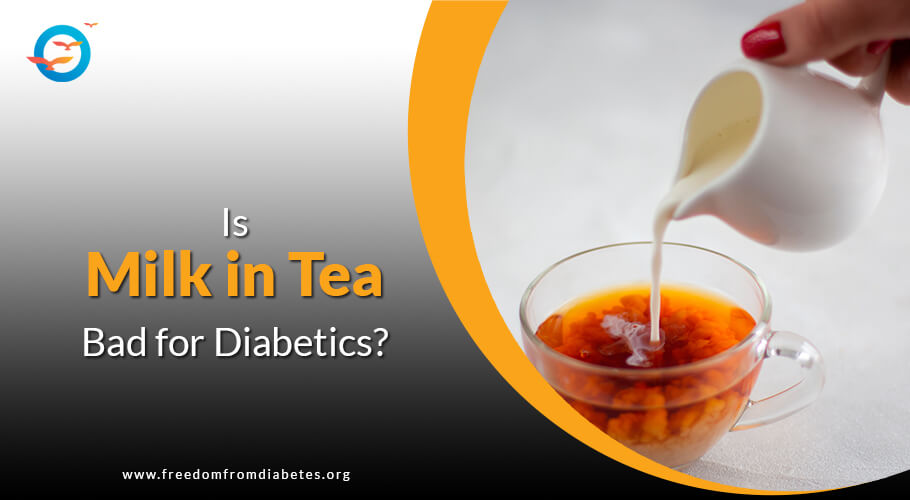
Is Milk Tea Harming Your Health? Here's the Truth
Milk tea for type 2 diabetes
A fixed morning ritual for over a billion people, most of them in India—Tea has lots to commend it. But it’s the preparation that makes a difference. Read on to discover if your preferred morning cuppa is on the block.
Health drink
There are many studies that propound tea’s health-enhancing properties, including raising insulin insensitivity. However, that last benefit comes with a proviso: no milk!
But let’s start by looking at the benefits tea offers diabetics.
Anti-diabetic properties
Some types of teas, viz. black tea, green tea, and oolong have a high concentration of polyphenols, which are believed to enhance insulin activity. Polyphenols are also known to be anti-oxidative—a capacity to defend against inflammation, which is a key trigger for insulin resistance, and carcinogens.
In addition to polyphenols, teas like black, green, and oolong also contain flavonoids—these are micronutrients that are known to be anti-inflammatory, protecting the body from oxidative damage that leads to diseases like diabetes, heart disease, and cognitive problems like Alzheimer’s. The flavonoid in tea, theanine, has properties that help to control blood pressure and lower stress.
Health Benefits of Tea
Research over the years suggests that tea may have several important health enriching properties, in addition to improving insulin sensitivity, as follows:
Browse full blog-
https://www.freedomfromdiabetes.org/blog/post/is-milk-tea-bad-for-health/2887
Contact us :-
Mob : +91-7776077760
Email-Id : info@freedomfromdiabetes.org
Also connect with us on our website , Facebook page, and youtubeIs Milk Tea Harming Your Health? Here's the Truth Milk tea for type 2 diabetes A fixed morning ritual for over a billion people, most of them in India—Tea has lots to commend it. But it’s the preparation that makes a difference. Read on to discover if your preferred morning cuppa is on the block. Health drink There are many studies that propound tea’s health-enhancing properties, including raising insulin insensitivity. However, that last benefit comes with a proviso: no milk! But let’s start by looking at the benefits tea offers diabetics. Anti-diabetic properties Some types of teas, viz. black tea, green tea, and oolong have a high concentration of polyphenols, which are believed to enhance insulin activity. Polyphenols are also known to be anti-oxidative—a capacity to defend against inflammation, which is a key trigger for insulin resistance, and carcinogens. In addition to polyphenols, teas like black, green, and oolong also contain flavonoids—these are micronutrients that are known to be anti-inflammatory, protecting the body from oxidative damage that leads to diseases like diabetes, heart disease, and cognitive problems like Alzheimer’s. The flavonoid in tea, theanine, has properties that help to control blood pressure and lower stress. Health Benefits of Tea Research over the years suggests that tea may have several important health enriching properties, in addition to improving insulin sensitivity, as follows: Browse full blog- https://www.freedomfromdiabetes.org/blog/post/is-milk-tea-bad-for-health/2887 Contact us :- Mob : +91-7776077760 Email-Id : info@freedomfromdiabetes.org Also connect with us on our website , Facebook page, and youtube0 Comments 0 Shares 24 Views 0 Reviews -
Litchi and Diabetes: A Safe Choice or a Sugar Spike?
Litchi and Diabetes
Litchi for Diabetes Management: How Much is Safe?
When it comes to managing diabetes, diet plays a pivotal role. Many diabetics find themselves wondering about the safety and impact of various fruits on their blood sugar levels.
What is Litchi?
Litchi, a very delicious and pleasant fruit. It is encased within a rough, reddish-brown shell and has a translucent, succulent flesh with a unique and enticing flavor. Its grown in states of Bihar, Uttar Pradesh and North East of India.
Nutritional Profile of Litchi
Before diving into whether litchi is safe for diabetics, let's take a closer look at its nutritional content. Litchi is rich in vitamins, particularly vitamin C, which boosts immunity and promotes healthy skin.
Glycemic Index of Litchi: What Diabetics Should Know
The Glycemic Index (GI) is a ranking of how quickly carbohydrate-containing foods raise blood sugar levels. Foods with a high GI can cause a rapid spike in blood sugar, which is something diabetics need to avoid.
Litchi Benefits for Diabetics
While the sugar content in litchi is notable, it also comes with several health benefits that can be advantageous for diabetics when consumed in moderation.
For diabetics, moderation is crucial when it comes to consuming litchi. Here are some tips to enjoy litchi safely:
Browse full blog-
https://www.freedomfromdiabetes.org/blog/post/can-diabetics-have-litchi/3949
Contact us :-
Mob : +91-7776077760
Email-Id : info@freedomfromdiabetes.org
Also connect with us on our website , Facebook page, and youtubeLitchi and Diabetes: A Safe Choice or a Sugar Spike? Litchi and Diabetes Litchi for Diabetes Management: How Much is Safe? When it comes to managing diabetes, diet plays a pivotal role. Many diabetics find themselves wondering about the safety and impact of various fruits on their blood sugar levels. What is Litchi? Litchi, a very delicious and pleasant fruit. It is encased within a rough, reddish-brown shell and has a translucent, succulent flesh with a unique and enticing flavor. Its grown in states of Bihar, Uttar Pradesh and North East of India. Nutritional Profile of Litchi Before diving into whether litchi is safe for diabetics, let's take a closer look at its nutritional content. Litchi is rich in vitamins, particularly vitamin C, which boosts immunity and promotes healthy skin. Glycemic Index of Litchi: What Diabetics Should Know The Glycemic Index (GI) is a ranking of how quickly carbohydrate-containing foods raise blood sugar levels. Foods with a high GI can cause a rapid spike in blood sugar, which is something diabetics need to avoid. Litchi Benefits for Diabetics While the sugar content in litchi is notable, it also comes with several health benefits that can be advantageous for diabetics when consumed in moderation. For diabetics, moderation is crucial when it comes to consuming litchi. Here are some tips to enjoy litchi safely: Browse full blog- https://www.freedomfromdiabetes.org/blog/post/can-diabetics-have-litchi/3949 Contact us :- Mob : +91-7776077760 Email-Id : info@freedomfromdiabetes.org Also connect with us on our website , Facebook page, and youtube0 Comments 0 Shares 34 Views 0 Reviews -
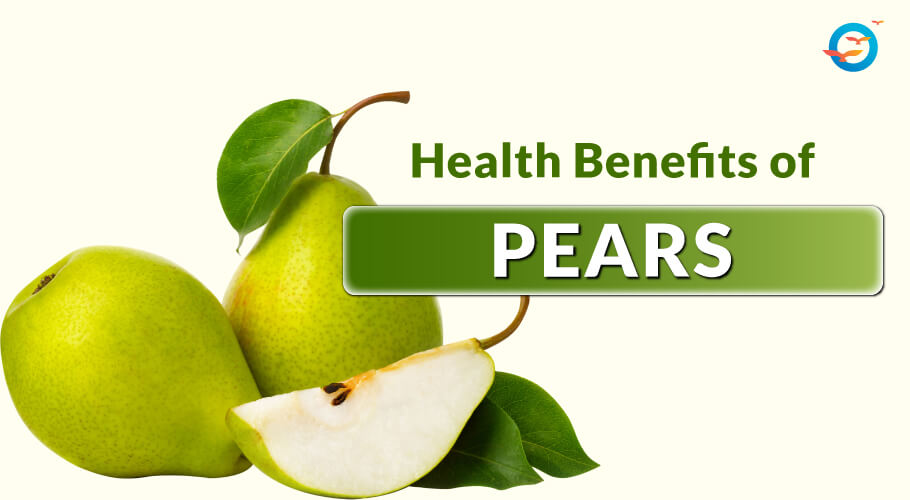
Health Benefits of Pears for Diabetes
Is Pear Good For Diabetes?
Diet is incomplete without fruits. Fruits give us freshness, instant energy, and health. Each fruit is unique due to its taste and special properties.
Today, we are going to talk about pears and how they are useful in diabetes.
Pears health benefits
1. Pears are highly nutritious
Pears provide essential vitamins and minerals, including vitamin C, vitamin K, potassium
Pears also contain Calcium, iron, magnesium, riboflavin, vitamin B-6, and Folate in smaller amounts.
2. May promote gut health
The insoluble and soluble fiber present in pears helps a lot in improving digestion. These fibers help by softening the stools and in turn help maintain bowel regularity
3. Contain beneficial plant compounds
Plant compounds in pears give them different hues.
Plant compounds in red pears help in heart health, while green pears help in eye health.
Pears and Diabetes
The fiber content greatly helps in slowing down digestion which in turn helps regulate Blood sugar levels, potentially helping prevent and control diabetes
Browse full blog-
https://www.freedomfromdiabetes.org/blog/post/Pears%20(%E0%A4%A8%E0%A4%BE%E0%A4%B6%E0%A4%AA%E0%A4%BE%E0%A4%A4%E0%A5%80)%20-%20A%20magical%20fruit%20for%20diabetes/1518
Contact us :-
Mob : +91-7776077760
Email-Id : info@freedomfromdiabetes.org
Also connect with us on our website , Facebook page, and youtube
Health Benefits of Pears for Diabetes Is Pear Good For Diabetes? Diet is incomplete without fruits. Fruits give us freshness, instant energy, and health. Each fruit is unique due to its taste and special properties. Today, we are going to talk about pears and how they are useful in diabetes. Pears health benefits 1. Pears are highly nutritious Pears provide essential vitamins and minerals, including vitamin C, vitamin K, potassium Pears also contain Calcium, iron, magnesium, riboflavin, vitamin B-6, and Folate in smaller amounts. 2. May promote gut health The insoluble and soluble fiber present in pears helps a lot in improving digestion. These fibers help by softening the stools and in turn help maintain bowel regularity 3. Contain beneficial plant compounds Plant compounds in pears give them different hues. Plant compounds in red pears help in heart health, while green pears help in eye health. Pears and Diabetes The fiber content greatly helps in slowing down digestion which in turn helps regulate Blood sugar levels, potentially helping prevent and control diabetes Browse full blog- https://www.freedomfromdiabetes.org/blog/post/Pears%20(%E0%A4%A8%E0%A4%BE%E0%A4%B6%E0%A4%AA%E0%A4%BE%E0%A4%A4%E0%A5%80)%20-%20A%20magical%20fruit%20for%20diabetes/1518 Contact us :- Mob : +91-7776077760 Email-Id : info@freedomfromdiabetes.org Also connect with us on our website , Facebook page, and youtube0 Comments 0 Shares 25 Views 0 Reviews -
5 Best West Indian Diabetes friendly Dinner Recipes
West Indian Dinner Recipes for Type 2 Diabetes
Dinner is an important meal. Having a healthy dinner helps us in many ways like - in better digestion, good sleep, stable blood sugar and lower anxiety. Dinner choices vary from region to region. Today, we are going to learn about the recipes from West India which covers different states like Rajasthan, Maharashtra, Goa and Gujarat.
Here are 5 best West Indian diabetes-friendly dinner recipes chosen for you.
1. Sannas
Sannas is a famous recipe from the Goa region. It is actually a steamed rice cake made up of a coconut, rice, and yeast batter.
Recipe features
FFD style sannas uses brown rice instead of which polished rice. The combination of brown rice with urad dal or black gram along with coconut makes it very healthy. This can be one of the best west Indian dinner recipes for diabetics.
2. Shengole
This dish comes from Marathwada, Maharashtra. Shengole or shengolya are tear-drop shaped rings made up of spiced dough cooked in a simmering broth prepared with red chilli powder and turmeric. It can also be called as “handmade pasta”.
Recipe features
FFD style shengole is made from jowar flour and besan only. The use of wheat flour is avoided to avoid grains. This dish can be considered as one of the West Indian Dinner recipes.
Browse full blog-
https://www.freedomfromdiabetes.org/blog/post/5-best-west-indian-diabetes-friendly-dinner-recipes/2936
Contact us :-
Mob : +91-7776077760
Email-Id : info@freedomfromdiabetes.org
Also connect with us on our website , Facebook page, and youtube5 Best West Indian Diabetes friendly Dinner Recipes West Indian Dinner Recipes for Type 2 Diabetes Dinner is an important meal. Having a healthy dinner helps us in many ways like - in better digestion, good sleep, stable blood sugar and lower anxiety. Dinner choices vary from region to region. Today, we are going to learn about the recipes from West India which covers different states like Rajasthan, Maharashtra, Goa and Gujarat. Here are 5 best West Indian diabetes-friendly dinner recipes chosen for you. 1. Sannas Sannas is a famous recipe from the Goa region. It is actually a steamed rice cake made up of a coconut, rice, and yeast batter. Recipe features FFD style sannas uses brown rice instead of which polished rice. The combination of brown rice with urad dal or black gram along with coconut makes it very healthy. This can be one of the best west Indian dinner recipes for diabetics. 2. Shengole This dish comes from Marathwada, Maharashtra. Shengole or shengolya are tear-drop shaped rings made up of spiced dough cooked in a simmering broth prepared with red chilli powder and turmeric. It can also be called as “handmade pasta”. Recipe features FFD style shengole is made from jowar flour and besan only. The use of wheat flour is avoided to avoid grains. This dish can be considered as one of the West Indian Dinner recipes. Browse full blog- https://www.freedomfromdiabetes.org/blog/post/5-best-west-indian-diabetes-friendly-dinner-recipes/2936 Contact us :- Mob : +91-7776077760 Email-Id : info@freedomfromdiabetes.org Also connect with us on our website , Facebook page, and youtube0 Comments 0 Shares 30 Views 0 Reviews -
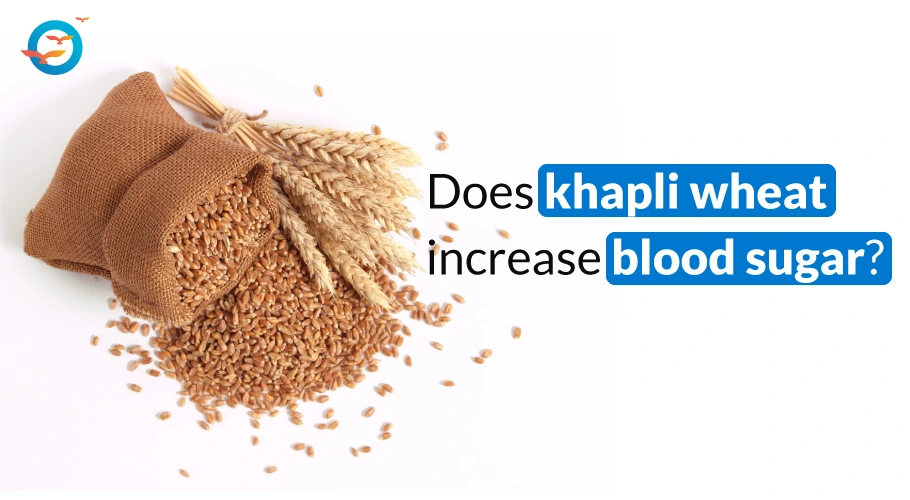
Khapli Wheat and Blood Sugar: What You Need to Know
khapli wheat increase blood sugar
Khapli wheat for diabetes
For a diabetic, consuming grains can often lead to a spike in blood sugar levels, which in turn increases stress and anxiety about managing the condition. This makes it crucial for diabetics to be mindful and selective about the types of grains they include in their daily diet. Opting for low-glycemic index, low glycemic load, and high-fiber grains can help stabilize blood sugar levels and support overall health, making food choices an essential part of diabetes management.
Khapli Wheat for Type 2 Diabetes
Khapli wheat is an indigenous, ancient variety of wheat traditionally grown in regions of Maharashtra and Karnataka. Unlike the modern hybrid wheat commonly found in markets, Khapli wheat is minimally processed and retains its natural fiber and nutrient content. It is richer in fiber and protein, which helps slow digestion and ensures a steady release of glucose into the bloodstream critical for managing diabetes.
Nutritionally, Khapli wheat has a low Glycemic Index of around 45–50 and a low Glycemic Load, making it a safer choice for blood sugar control. However, it's important to note that no grain, even a low GI one, should be eaten in isolation. For maximum benefit, Khapli wheat should be paired with fiber-rich vegetables and good sources of protein, forming a complete whole food meal. This approach ensures balanced nutrition and helps avoid sugar spikes.
Browse the full blog :-
https://www.freedomfromdiabetes.org/blog/post/does-khapli-wheat-increase-blood-sugar/4540
Contact us :-
Mob : +91-7776077760
Email-Id : info@freedomfromdiabetes.org
Also connect with us on our website , Facebook page, and youtube
Khapli Wheat and Blood Sugar: What You Need to Know khapli wheat increase blood sugar Khapli wheat for diabetes For a diabetic, consuming grains can often lead to a spike in blood sugar levels, which in turn increases stress and anxiety about managing the condition. This makes it crucial for diabetics to be mindful and selective about the types of grains they include in their daily diet. Opting for low-glycemic index, low glycemic load, and high-fiber grains can help stabilize blood sugar levels and support overall health, making food choices an essential part of diabetes management. Khapli Wheat for Type 2 Diabetes Khapli wheat is an indigenous, ancient variety of wheat traditionally grown in regions of Maharashtra and Karnataka. Unlike the modern hybrid wheat commonly found in markets, Khapli wheat is minimally processed and retains its natural fiber and nutrient content. It is richer in fiber and protein, which helps slow digestion and ensures a steady release of glucose into the bloodstream critical for managing diabetes. Nutritionally, Khapli wheat has a low Glycemic Index of around 45–50 and a low Glycemic Load, making it a safer choice for blood sugar control. However, it's important to note that no grain, even a low GI one, should be eaten in isolation. For maximum benefit, Khapli wheat should be paired with fiber-rich vegetables and good sources of protein, forming a complete whole food meal. This approach ensures balanced nutrition and helps avoid sugar spikes. Browse the full blog :- https://www.freedomfromdiabetes.org/blog/post/does-khapli-wheat-increase-blood-sugar/4540 Contact us :- Mob : +91-7776077760 Email-Id : info@freedomfromdiabetes.org Also connect with us on our website , Facebook page, and youtube0 Comments 0 Shares 49 Views 0 Reviews -
Can Diabetics have Apple a Day?
An apple a day keeps doctors away...
Ever since mankind was born, the apple has been symbolized for a variety of meanings and incorporated in various contexts like love, wisdom, joy, knowledge, death, and/or luxury. Just an apple icon is enough to represent something about food and health. Apple brand in gadgets also means supremacy.
Apple nutrition facts per 100 gram
Calories 52.0
Total fat 0.2 g
Saturated fat 0 g
Cholesterol 0 g
Sodium 1.0 mg
Potassium 107 mg
Total carbohydrate 14 g
Dietary fiber 2.4 g
Sugar 10 g
Protein 0.3 g
Vitamin C 7%
Calcium 0%
Iron 0%
Vitamin D 0%
Cobalamin 0%
Magnesium 1%
Browse full blog-
https://www.freedomfromdiabetes.org/blog/post/can-diabetics-have-apple-a-day/357
Contact us :-
Mob : +91-7776077760
Email-Id : info@freedomfromdiabetes.org
Also connect with us on our website , Facebook page, and youtube
Can Diabetics have Apple a Day? An apple a day keeps doctors away... Ever since mankind was born, the apple has been symbolized for a variety of meanings and incorporated in various contexts like love, wisdom, joy, knowledge, death, and/or luxury. Just an apple icon is enough to represent something about food and health. Apple brand in gadgets also means supremacy. Apple nutrition facts per 100 gram Calories 52.0 Total fat 0.2 g Saturated fat 0 g Cholesterol 0 g Sodium 1.0 mg Potassium 107 mg Total carbohydrate 14 g Dietary fiber 2.4 g Sugar 10 g Protein 0.3 g Vitamin C 7% Calcium 0% Iron 0% Vitamin D 0% Cobalamin 0% Magnesium 1% Browse full blog- https://www.freedomfromdiabetes.org/blog/post/can-diabetics-have-apple-a-day/357 Contact us :- Mob : +91-7776077760 Email-Id : info@freedomfromdiabetes.org Also connect with us on our website , Facebook page, and youtube0 Comments 0 Shares 38 Views 0 Reviews -
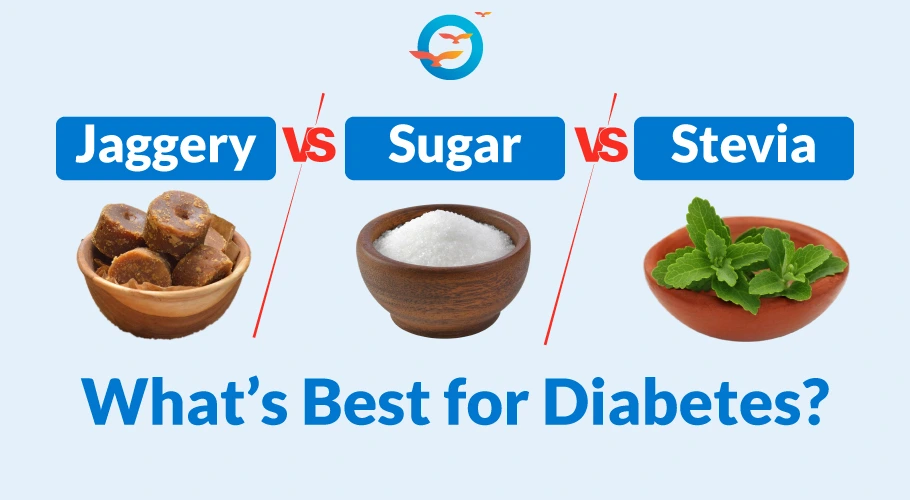
Jaggery vs Sugar vs Stevia: What’s Best for Diabetes?
Managing diabetes often means rethinking sweetness. From tea and coffee to desserts, the choice of sweetener can directly impact blood sugar levels. The big question is: Which is the best sweetener for diabetics jaggery, sugar, or stevia? Let’s break it down based on science, taste, and health impact.
What Are the Differences Between Sugar, Jaggery, and Stevia?
1. Sugar – The Familiar Culprit
Refined white sugar is the most common sweetener but has a high glycemic index (GI ~65), causing rapid blood sugar spikes. According to the American Diabetes Association (ADA), regular consumption of sugar offers no nutritional benefit and contributes to weight gain and poor glucose control.
2. Is Jaggery Healthier Than Sugar for Diabetes?
Many believe jaggery (gur) is a “healthier sugar,” but for people with diabetes, it’s not much different from refined sugar.
GI: 70–80 (often higher than sugar) as reported in studies from the National Institute of Nutrition, India.
Contains trace minerals like iron and magnesium but still causes significant glucose elevation.
Black jaggery or “organic jaggery” may be marketed as better, but they too are not suitable for blood sugar control in diabetes.
3. Why Is Stevia the Best Option for Diabetics?
Stevia, a plant-based sweetener approved by the U.S. Food and Drug Administration (FDA) and recognized by the World Health Organization (WHO), contains no calories and a GI of 0, making it the most diabetes-friendly option among the three.
Browse full blog-
https://www.freedomfromdiabetes.org/blog/post/jaggery-vs-sugar-vs-stevia-for-diabetes/4819
Contact us :-
Mob : +91-7776077760
Email-Id : info@freedomfromdiabetes.org
Also connect with us on our website , Facebook page, and youtube
Jaggery vs Sugar vs Stevia: What’s Best for Diabetes? Managing diabetes often means rethinking sweetness. From tea and coffee to desserts, the choice of sweetener can directly impact blood sugar levels. The big question is: Which is the best sweetener for diabetics jaggery, sugar, or stevia? Let’s break it down based on science, taste, and health impact. What Are the Differences Between Sugar, Jaggery, and Stevia? 1. Sugar – The Familiar Culprit Refined white sugar is the most common sweetener but has a high glycemic index (GI ~65), causing rapid blood sugar spikes. According to the American Diabetes Association (ADA), regular consumption of sugar offers no nutritional benefit and contributes to weight gain and poor glucose control. 2. Is Jaggery Healthier Than Sugar for Diabetes? Many believe jaggery (gur) is a “healthier sugar,” but for people with diabetes, it’s not much different from refined sugar. GI: 70–80 (often higher than sugar) as reported in studies from the National Institute of Nutrition, India. Contains trace minerals like iron and magnesium but still causes significant glucose elevation. Black jaggery or “organic jaggery” may be marketed as better, but they too are not suitable for blood sugar control in diabetes. 3. Why Is Stevia the Best Option for Diabetics? Stevia, a plant-based sweetener approved by the U.S. Food and Drug Administration (FDA) and recognized by the World Health Organization (WHO), contains no calories and a GI of 0, making it the most diabetes-friendly option among the three. Browse full blog- https://www.freedomfromdiabetes.org/blog/post/jaggery-vs-sugar-vs-stevia-for-diabetes/4819 Contact us :- Mob : +91-7776077760 Email-Id : info@freedomfromdiabetes.org Also connect with us on our website , Facebook page, and youtube0 Comments 0 Shares 40 Views 0 Reviews -
Is Dragon Fruit Diabetic-Friendly? Exploring Its Glycemic Impact
Dragon Fruit and Diabetes
Fruits are undoubtedly one of nature’s most delightful offerings. They are juicy, flavorful, and refreshingly sweet, providing a burst of pleasure that revitalizes both the body and the mind. With their high water content and rich supply of essential nutrients such as vitamins, minerals, and antioxidants, fruits are a perfect, wholesome snack that keeps us hydrated and nourished throughout the day. However, for individuals with diabetes, enjoying fruits isn’t always as simple or carefree as it is for those without the condition.
What are the main challenges diabetics face when consuming fruits?
For diabetics, managing blood sugar levels becomes a daily task, and consuming fruits, which are naturally high in sugars, can often raise concerns about sugar spikes. Unlike non-diabetics who can freely indulge in various fruits, those with diabetes must carefully consider which fruits they consume and in what quantities. This careful approach is necessary to avoid sudden spikes in blood sugar levels, which can lead to unwanted health complications.
Dragon Fruit for Sugar Patients
Fortunately, there is good news for fruit lovers living with diabetes. Low Glycemic Index (GI) fruits provide a wonderful solution, as they are less likely to cause rapid increases in blood sugar
Benefits of Dragon Fruit
1. With a low glycemic index ranging between 48 to 52, dragon fruit is an ideal fruit for those looking to manage their blood sugar levels.
2. Its high fiber content aids digestion, while its antioxidants help combat various health issues by reducing inflammation and oxidative stress in the body.
3. Additionally, dragon fruit plays a significant role in lowering cholesterol levels, contributing to heart health.
Browse full blog-
https://www.freedomfromdiabetes.org/blog/post/Is-dragon-fruit-good-for-diabetics/4362
Contact us :-
Mob : +91-7776077760
Email-Id : info@freedomfromdiabetes.org
Also connect with us on our website , Facebook page, and youtubeIs Dragon Fruit Diabetic-Friendly? Exploring Its Glycemic Impact Dragon Fruit and Diabetes Fruits are undoubtedly one of nature’s most delightful offerings. They are juicy, flavorful, and refreshingly sweet, providing a burst of pleasure that revitalizes both the body and the mind. With their high water content and rich supply of essential nutrients such as vitamins, minerals, and antioxidants, fruits are a perfect, wholesome snack that keeps us hydrated and nourished throughout the day. However, for individuals with diabetes, enjoying fruits isn’t always as simple or carefree as it is for those without the condition. What are the main challenges diabetics face when consuming fruits? For diabetics, managing blood sugar levels becomes a daily task, and consuming fruits, which are naturally high in sugars, can often raise concerns about sugar spikes. Unlike non-diabetics who can freely indulge in various fruits, those with diabetes must carefully consider which fruits they consume and in what quantities. This careful approach is necessary to avoid sudden spikes in blood sugar levels, which can lead to unwanted health complications. Dragon Fruit for Sugar Patients Fortunately, there is good news for fruit lovers living with diabetes. Low Glycemic Index (GI) fruits provide a wonderful solution, as they are less likely to cause rapid increases in blood sugar Benefits of Dragon Fruit 1. With a low glycemic index ranging between 48 to 52, dragon fruit is an ideal fruit for those looking to manage their blood sugar levels. 2. Its high fiber content aids digestion, while its antioxidants help combat various health issues by reducing inflammation and oxidative stress in the body. 3. Additionally, dragon fruit plays a significant role in lowering cholesterol levels, contributing to heart health. Browse full blog- https://www.freedomfromdiabetes.org/blog/post/Is-dragon-fruit-good-for-diabetics/4362 Contact us :- Mob : +91-7776077760 Email-Id : info@freedomfromdiabetes.org Also connect with us on our website , Facebook page, and youtube0 Comments 0 Shares 27 Views 0 Reviews -
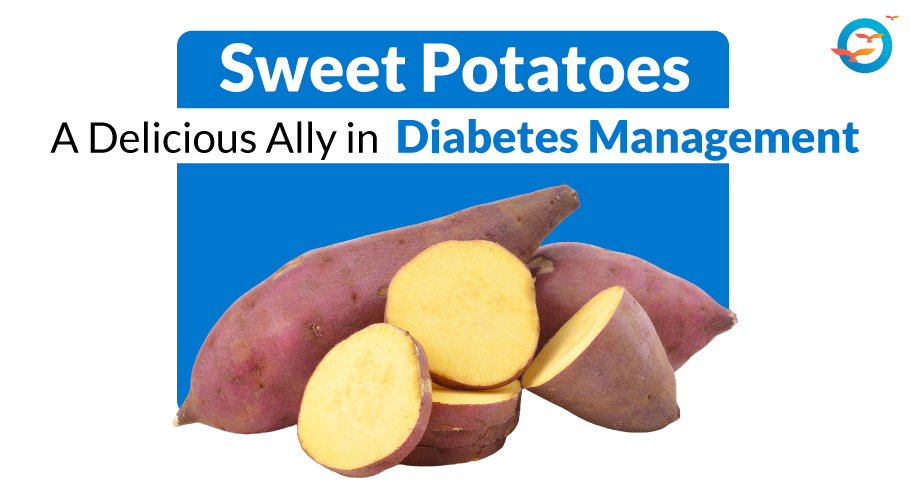
Is Sweet Potato Good for Diabetes?
Understanding Diabetes and Diet
Diabetes is a chronic condition that affects how the body processes glucose, making it crucial for individuals to carefully manage their diet to maintain stable blood sugar levels.
The right food choices can help prevent complications, control weight, and improve overall health, emphasizing the importance of a balanced and informed approach to nutrition.
The Importance of Glycemic Load and Glycemic Index
Diabetics should choose foods after understanding glycemic load (GL) and glycemic index (GI) because these measures provide crucial insights into how different foods affect blood sugar levels.
The glycemic index ranks foods based on how quickly they raise blood glucose, while glycemic load takes into account the quantity of carbohydrates in a serving, offering a more comprehensive view of a food's impact on blood sugar.
By selecting foods with low GI and GL, individuals with diabetes can better manage their blood sugar levels, reduce the risk of spikes and crashes, and promote overall metabolic health, leading to improved long-term outcomes.
Sweet Potato: A Nutritional Overview
Sweet potato is a starchy root vegetable known for its sweet flavor and vibrant orange or purple flesh, making it a popular ingredient in various cuisines.
There are several types of sweet potatoes, including the orange-fleshed varieties, which are rich in beta-carotene, and the purple-fleshed types, known for their antioxidant properties, as well as white and yellow-fleshed varieties.
Can Sweet Potatoes Increase Blood Sugar?
The glycemic index of sweet potato varies depending on the cooking method, but it generally ranges from 44 to 94, with boiled sweet potatoes having a lower GI compared to baked ones, making them a healthier option for those managing blood sugar levels.
Browse full blog-
https://www.freedomfromdiabetes.org/blog/post/sweet-potato-and-diabetes/4207
Contact us :-
Mob : +91-7776077760
Email-Id : info@freedomfromdiabetes.org
Also connect with us on our website , Facebook page, and youtubeIs Sweet Potato Good for Diabetes? Understanding Diabetes and Diet Diabetes is a chronic condition that affects how the body processes glucose, making it crucial for individuals to carefully manage their diet to maintain stable blood sugar levels. The right food choices can help prevent complications, control weight, and improve overall health, emphasizing the importance of a balanced and informed approach to nutrition. The Importance of Glycemic Load and Glycemic Index Diabetics should choose foods after understanding glycemic load (GL) and glycemic index (GI) because these measures provide crucial insights into how different foods affect blood sugar levels. The glycemic index ranks foods based on how quickly they raise blood glucose, while glycemic load takes into account the quantity of carbohydrates in a serving, offering a more comprehensive view of a food's impact on blood sugar. By selecting foods with low GI and GL, individuals with diabetes can better manage their blood sugar levels, reduce the risk of spikes and crashes, and promote overall metabolic health, leading to improved long-term outcomes. Sweet Potato: A Nutritional Overview Sweet potato is a starchy root vegetable known for its sweet flavor and vibrant orange or purple flesh, making it a popular ingredient in various cuisines. There are several types of sweet potatoes, including the orange-fleshed varieties, which are rich in beta-carotene, and the purple-fleshed types, known for their antioxidant properties, as well as white and yellow-fleshed varieties. Can Sweet Potatoes Increase Blood Sugar? The glycemic index of sweet potato varies depending on the cooking method, but it generally ranges from 44 to 94, with boiled sweet potatoes having a lower GI compared to baked ones, making them a healthier option for those managing blood sugar levels. Browse full blog- https://www.freedomfromdiabetes.org/blog/post/sweet-potato-and-diabetes/4207 Contact us :- Mob : +91-7776077760 Email-Id : info@freedomfromdiabetes.org Also connect with us on our website , Facebook page, and youtube0 Comments 0 Shares 18 Views 0 Reviews -
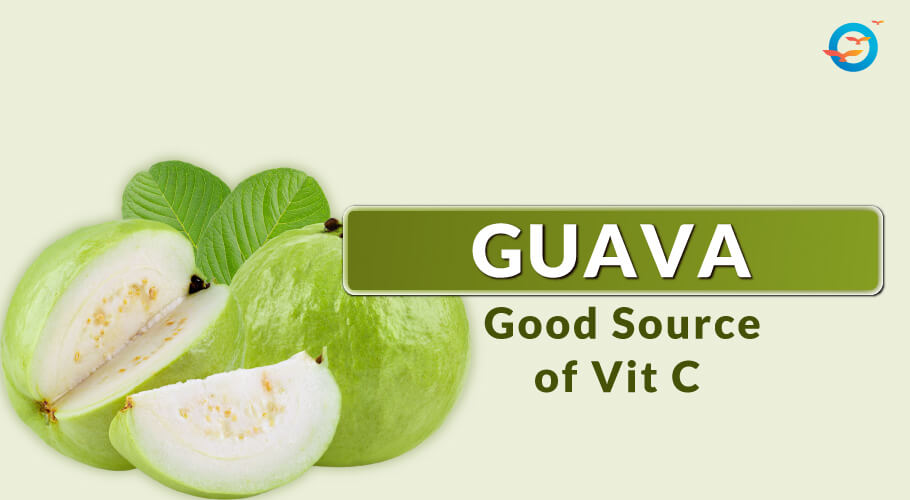
Is Guava Good for Diabetes?
Guava for Diabetes
Did you ever think about how things got discovered?
How do they progress to the state where they are?
History has always been exciting. Food history is even more exciting. One always wonders how mankind discovered grains, herbs, fruits, developed recipes, came to know their nutritional qualities, usage, etc.
How would have guava been discovered?
Guava whose scientific name is Psidium guajava originated from part of Central America, Mexico, the Caribbean region, and Northern South America. According to the archaeological record in Peru about the evidence of guava cultivation, it was shown that its cultivation started as early as 2500 BC.
Guava Nutrition
The Glycaemic Index of Guava is 12-24 which puts it in the low GI category and The glycaemic load is 1.3-5 which puts it again in a very low GL category. Both the above numbers are good for diabetic patients.
But how much guava can a diabetic have?
Diabetics can have one medium-size amrud. All the above information puts into the "must-have category" for diabetics. So if you have Diabetes - go for it!
You want to know, is Okra good for diabetes or not? visit this article.
Did you find the above information interesting? If you liked the blog, do share it on your social pages. Also, you can visit our Instagram account to learn more about Diabetes management, Tips for Diabetes Control, and Diabetes reversal. Be updated and Be healthy!
Browse full blog-
https://www.freedomfromdiabetes.org/blog/post/diabetes-go-for-guava-fruit/1444
Contact us :-
Mob : +91-7776077760
Email-Id : info@freedomfromdiabetes.org
Also connect with us on our website , Facebook page, and youtubeIs Guava Good for Diabetes? Guava for Diabetes Did you ever think about how things got discovered? How do they progress to the state where they are? History has always been exciting. Food history is even more exciting. One always wonders how mankind discovered grains, herbs, fruits, developed recipes, came to know their nutritional qualities, usage, etc. How would have guava been discovered? Guava whose scientific name is Psidium guajava originated from part of Central America, Mexico, the Caribbean region, and Northern South America. According to the archaeological record in Peru about the evidence of guava cultivation, it was shown that its cultivation started as early as 2500 BC. Guava Nutrition The Glycaemic Index of Guava is 12-24 which puts it in the low GI category and The glycaemic load is 1.3-5 which puts it again in a very low GL category. Both the above numbers are good for diabetic patients. But how much guava can a diabetic have? Diabetics can have one medium-size amrud. All the above information puts into the "must-have category" for diabetics. So if you have Diabetes - go for it! You want to know, is Okra good for diabetes or not? visit this article. Did you find the above information interesting? If you liked the blog, do share it on your social pages. Also, you can visit our Instagram account to learn more about Diabetes management, Tips for Diabetes Control, and Diabetes reversal. Be updated and Be healthy! Browse full blog- https://www.freedomfromdiabetes.org/blog/post/diabetes-go-for-guava-fruit/1444 Contact us :- Mob : +91-7776077760 Email-Id : info@freedomfromdiabetes.org Also connect with us on our website , Facebook page, and youtube0 Comments 0 Shares 30 Views 0 Reviews





More Stories